

The clearest signs you need a garage door balance test are a door that feels heavier than usual, an opener that strains or slows down, and a door that will not stay in place when it is lifted partway. These symptoms show up gradually, which is why many Irvine homeowners do not notice them until the door is well out of balance.
A door rarely goes from working perfectly to failing overnight. Instead, it usually sends small signals for weeks or months before the problem becomes obvious. Knowing what to check for makes it much easier to catch a problem early, before it turns into a bigger garage door repair.
How to Tell When Your Garage Door Needs a Balance Test
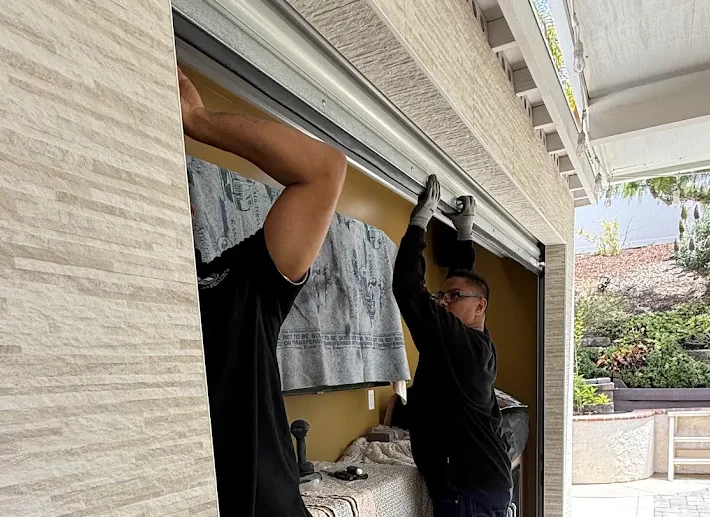
A garage door balance test simply checks whether the springs and cables are still carrying the door’s weight the way they should. Most doors give off small clues long before they fail a formal test, and those clues are usually easy to notice once someone knows what to look and listen for. Paying attention to these early signals is often the difference between a quick adjustment and a more involved repair, and it is one of the simplest habits to build into regular garage door maintenance.
Everyday Clues During Normal Use
- The door feels noticeably heavier when raised or lowered by hand.
- The door does not open or close at the same steady speed it used to.
- The door drifts slightly to one side instead of moving straight up and down.
These clues are easy to notice during a normal week without setting aside extra time to inspect anything.
Signs the Opener Is Compensating
- The garage door opener takes longer than normal to fully open or close the door.
- The motor sounds like it is working harder than it used to on every cycle.
- The remote or wall switch sometimes needs a second press to get the door moving.
An opener that seems to be struggling is often reacting to a balance issue rather than a problem with the opener itself.
If you want to run the actual test at home, read How to Check Garage Door Balance and When to Call a Pro.
Signs You Can Hear Before You See
Sound is often the first warning sign of a garage door balance problem, since a strained system rarely stays quiet for long. Paying attention to how a door normally sounds makes it much easier to notice when something changes.
Unusual Noises During Operation
Most doors settle into a consistent sound over time, so a change in that sound is often the first clue that something has shifted.
- Grinding or scraping sounds coming from the tracks or rollers.
- A rhythmic clunking noise that was not there before.
- Squeaking that gets louder as the door moves further along the track.
A door that suddenly sounds different from how it normally does is worth paying attention to, even if it still opens and closes without trouble.
Changes in Motor Sound
The opener’s motor tends to reveal strain before almost any other part of the system.
- A humming or straining sound from the opener motor during lifting.
- The opener pauses mid-cycle briefly before continuing to move the door.
- A noticeably louder motor sound compared to when the door was newly installed.
These sounds are worth noting even if the door still seems to work normally, since noise changes often show up before a door fully fails a balance test.
Visual Signs of a Garage Door Balance Problem

A short visual check often reveals more than most homeowners expect, especially around the springs, cables, and track. A few minutes of inspecting these parts can turn up warning signs that are easy to miss during normal daily use.
What to Check on the Springs and Cables
The spring and cable system is where most balance problems start, so it is worth a closer look during any inspection.
- Gaps or uneven spacing along the coils of the torsion spring.
- Cables that look frayed, rusted, or unevenly wound around the drum.
- One side of the door appears lower than the other when it is closed.
Checking these parts once every few months takes only a couple of minutes and can reveal issues long before they cause a problem during everyday use.
What to Check on the Track and Rollers
A quick look along the length of the track often shows problems that would otherwise go unnoticed until the door starts acting up.
- Rollers that look worn, cracked, or stuck in place.
- A track that looks bent, loose, or pulled away from the wall.
- Visible rust or debris buildup where the door meets the track.
None of these signs requires special tools to spot, just a few minutes of paying attention while the garage light is on.
Signs That Show Up Over Time in Irvine Homes
Irvine’s dry climate slows down some types of wear, but daily use and temperature swings still take a toll on garage door hardware over months and years. Homes with busy households often notice these signs sooner simply because the door gets more cycles per week.
Seasonal and Usage-Based Clues
- A door that behaves differently between hot afternoons and cooler evenings.
- Gradual changes that are easy to miss because they happen slowly, cycle by cycle.
- Households with two or three vehicles often notice signs sooner due to more frequent daily use.
Comparing how the door behaves across different seasons is a simple way to catch a slow, developing issue that might otherwise go unnoticed.
For a wider look at how these clues connect to common garage door issues, this guide on troubleshooting common garage door problems from The Spruce covers several symptoms worth watching for.
These same warning signs are also tied to real safety concerns, not just wear and tear. If you want to understand why that matters, read Why Is an Unbalanced Garage Door Dangerous?
When These Signs Point to a Bigger Problem
A few of these signs on their own may not mean much, but several appearing together usually point to a balance issue that is getting worse, not better. This is the point where a quick check at home becomes more valuable than waiting to see what happens next.
- More than one of the signs above appears at the same time.
- Symptoms that keep coming back even after the door seems to work fine for a few days.
- A door that fails a basic balance test more than once.
Treating these combined signs seriously, rather than waiting to see if they go away on their own, is one of the easiest ways to prevent a small issue from turning into a larger repair.
Reviewing general garage door care and maintenance guidance from the International Door Association can help Irvine homeowners build a habit of checking for these signs regularly.
If you want to see how that plays out, read What Happens If You Ignore a Garage Door Balance Issue?
Do Not Wait Until the Signs Get Worse

Catching these signs early is one of the simplest ways to protect a garage door’s springs, cables, and opener from unnecessary wear. Most of these clues take only a minute or two to check for, and noticing them early almost always leads to a smaller, simpler repair. A short weekly glance at the door while it opens or closes is often enough to catch a change before it becomes a habit-forming problem. Letting these signs pile up without attention tends to turn a manageable issue into a much bigger one, which is exactly what happens if a balance problem is left alone for too long.
Ocean Coast Garage Doors gives Irvine homeowners a reliable way to catch these early warning signs before they turn into costly repairs, using inspections that check every part of the balance system, from the springs and cables to the track and rollers. If any of these signs sound familiar, contact us today or give us a call to schedule a professional inspection.
Frequently Asked Questions
Can a garage door look fine but still be out of balance?
Yes. A door can still open and close normally while the springs or cables underneath are gradually wearing out of balance, which is why a physical check matters more than appearance alone.
Do balance problems always make noise?
Not always, but many balance issues do produce new sounds, such as grinding, clunking, or a straining motor, before other symptoms appear.
Is it normal for a garage door to drift to one side?
No. A door that drifts to one side while moving usually points to uneven spring tension or a cable issue that affects the balance test.
How can someone tell if the opener is compensating for a balance problem?
An opener that takes longer to move the door, sounds strained, or needs an extra press of the remote is often working harder to make up for an imbalance rather than a fault of its own.
Are visual signs more reliable than sound-based signs?
Neither is more reliable on its own. Checking for both visual clues and unusual sounds gives a clearer overall picture of the door's condition.
Should a homeowner worry about small, occasional noises?
Occasional noises are common, but noises that repeat or get louder over time are worth paying closer attention to, since they often point to a developing balance issue.
Can weather changes make these signs more noticeable?
Yes. Temperature swings can cause metal parts to expand or contract slightly, which sometimes makes existing balance signs more obvious during certain seasons.
How often should someone check for these signs?
Checking every few months, or anytime the door feels or sounds different than usual, is a good habit for catching balance issues early before they grow into bigger repairs.
Do all of these signs require a professional visit?
Not immediately, but multiple signs appearing together, or a door that fails a balance test more than once, are strong reasons to schedule a professional inspection.


