
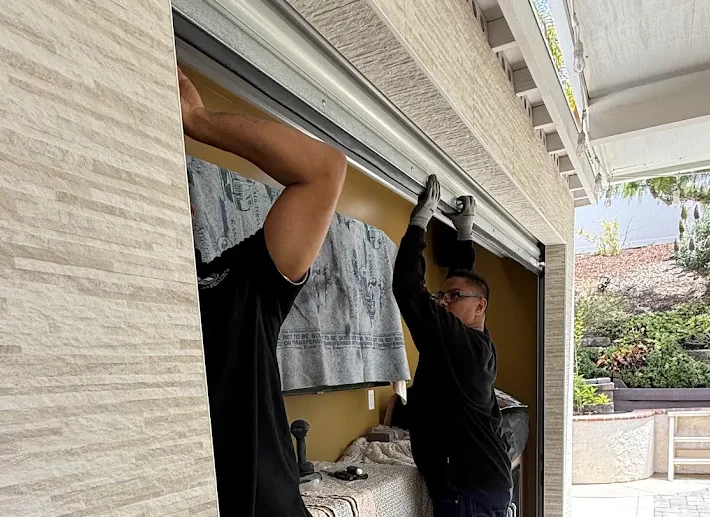
A garage door that feels heavy, drops too fast, or will not stay open on its own is usually telling you one thing. It is out of balance. Garage door balance is what allows the springs and cables to carry the door’s weight evenly, so the opener does not have to work harder than it should. When a door is properly balanced, it moves smoothly, stops where it should, and puts far less strain on every part connected to it.
This guide shows Irvine, CA homeowners how to check garage door balance safely, the warning signs to inspect for, and the point where a professional garage door repair technician should take over.
Understanding Garage Door Balance and Why It Matters

Garage door balance means the springs, cables, and tracks share the door’s weight correctly at every point of travel. When the system is balanced, the door glides smoothly, and the opener only assists the movement instead of doing all the lifting.
An unbalanced door puts constant strain on the opener, tracks, and hardware, and that strain adds up faster than most homeowners expect. A door that stays out of balance for a few weeks can wear down parts that would otherwise last for years, which is exactly why balance checks are considered a core part of routine garage door maintenance.
What Garage Door Balance Actually Means
- The springs should support most of the door’s weight, not the opener.
- A balanced door stays in place when it is manually lifted halfway and released.
- Cables on both sides should carry equal tension for smooth, even movement.
How Springs and Cables Affect Garage Door Balance
- Torsion springs twist to counterbalance the door’s weight as it opens and closes.
- Extension springs stretch and pull the door upward with the help of pulleys and cables.
- Worn or mismatched springs are one of the most common causes of a garage door balance problem.
- Frayed or loose cables can throw off an entire balance test, even when the springs are still in good condition.
- Rollers and hinges that are stiff or misaligned can make a balanced door feel uneven, even when the springs are fine.
A door that stays out of balance for too long is not just an inconvenience. It can turn into a real safety hazard. Read Why Is an Unbalanced Garage Door Dangerous?, it covers this part of the topic in more detail.
How to Check Garage Door Balance
Many homeowners search for how to balance a garage door, but the first step is running a basic check to see if an adjustment is even needed. This simple test only takes a few minutes, does not require any tools, and gives an honest picture of how well the springs and cables are still carrying the door’s weight.
Disconnect the Opener First
- Make sure the door is fully closed before starting the check.
- Pull the manual release cord so the door is no longer connected to the opener.
- Keep hands and fingers away from the tracks and springs during this step.
Lift the Door Halfway and Release
- Raise the door by hand until it reaches about the halfway point.
- Let go of the door gently and watch what happens next.
- A balanced door should stay in place on its own without sliding.
Watch for Drifting or Sudden Drops
- If the door falls quickly, the springs may be too weak to carry the weight.
- If the door shoots upward on its own, the springs may be too tight.
- Either result is a sign that the door needs a professional garage door adjustment, not a do-it-yourself repair.
Running this check on a regular basis, rather than only when something feels wrong, makes it much easier to notice small changes before they turn into a bigger repair.
Common Signs of a Garage Door Balance Problem
Most garage door balance issues do not appear overnight. They usually show up as small, easy-to-miss symptoms before the problem becomes serious, which is exactly why a quick inspection every so often makes such a difference.
Warning Signs During Everyday Use
- The door feels heavier than usual when opened manually.
- The opener strains, slows down, or makes new noises while lifting the door.
- The door does not stay level and appears crooked as it moves.
- The door reverses on its own partway through opening or closing.
Catching even one of these signs early often means the difference between a quick garage door adjustment and a full spring replacement later on.
Signs to Check for During a Garage Door Inspection
- Frayed, rusted, or uneven cables on either side of the door.
- Gaps or loose sections along the torsion spring at the top of the door.
- Visible wear on rollers, hinges, or the track that guides the door.
If several of these symptoms sound familiar, it is worth reviewing What Are the Signs You Need a Garage Door Balance Test? before the issue gets worse.
Garage Door Balance Issues Common in Irvine Homes
Irvine’s warm, dry climate is easier on garage door hardware than colder regions, but daily use still wears down springs and cables over time. Homes with attached garages that see frequent opener use, especially two and three-car garages, tend to develop balance issues sooner than homes where the door is used only once or twice a day.
How Local Weather and Usage Affect Garage Door Balance
- Frequent temperature swings between hot afternoons and cool evenings can cause metal parts to expand and contract.
- Homes near the coast may see faster hardware wear from salt air and moisture.
- Daily commuter use, common in Irvine neighborhoods, adds extra cycles to the springs and cables each year.
- Scheduling a seasonal garage door tune-up helps catch small imbalance issues before they turn into bigger repairs.
Homes closer to major roads or with garages that face direct afternoon sun may also see hardware wear a little faster, which makes a periodic check even more worthwhile for Irvine households.
Following basic garage door safety guidelines from the Door and Access Systems Manufacturers Association can help Irvine homeowners catch early warning signs before a balance problem turns into a larger repair.
When a Garage Door Balance Problem Needs a Professional

A basic balance check is safe for most homeowners to do on their own, but adjusting the springs or cables is not. Garage door springs hold a large amount of tension, and handling them without the right training can lead to injury. A technician who works on garage doors every day has the tools and experience to correct a balance problem without putting anyone at risk.
Signs It Is Time to Call a Professional
- The door fails the balance test more than once, even after a minor adjustment.
- Cables look frayed, kinked, or unevenly wound around the drum.
- The opener struggles, reverses unexpectedly, or shuts off during operation.
- The springs look stretched, gapped, or visibly worn.
Any one of these signs on its own is worth a professional look, and two or more together usually mean the door should be inspected sooner rather than later.
Waiting too long to address a balance issue rarely solves the problem on its own. In fact, What Happens If You Ignore a Garage Door Balance Issue? breaks down exactly how a small imbalance can turn into a costlier repair.
For a broader overview of routine care, this guide on how to inspect and maintain a garage door from Angi outlines additional checks worth adding to a seasonal maintenance routine.
Keep Your Garage Door Balanced and Working Safely

A garage door that is properly balanced protects the opener, keeps the household safer, and helps the door last longer. Checking garage door balance every few months, alongside a basic garage door inspection, is one of the easiest ways to avoid a bigger repair bill down the road. If the door does not pass the balance test, treat it as an early warning rather than something to ignore, since small issues are almost always easier and less costly to correct than ones that have been left alone for months.
Ocean Coast Garage Doors has helped Irvine homeowners repair and maintain garage doors of every size and style, from routine balance checks to full spring replacements. Our technicians understand the local climate, the common wear patterns seen in Irvine garages, and how to correct a balance problem safely and correctly the first time. If a garage door in the household feels off, do not wait for a bigger problem. Contact us today or give us a call to schedule a professional inspection.
Frequently Asked Questions
Can a garage door be balanced without professional help?
Checking the balance is safe to do without help, but adjusting the springs or cables should be left to a trained professional because of the tension involved. Attempting an adjustment without the right experience can lead to injury or further damage.
What tools are needed to check the garage door balance?
No special tools are needed. The manual release cord and a few minutes are usually enough to complete a basic check at home.
How long does a garage door balance test take?
A basic balance test usually takes less than five minutes from start to finish, making it an easy habit to build into a regular maintenance routine.
Does the garage door balance affect the opener's lifespan?
Yes. An unbalanced door forces the opener to work harder, which can wear out the motor and gears faster than normal and shorten its overall lifespan.
What causes a garage door to go out of balance?
Worn springs, stretched cables, and general wear from daily use are the most common causes of a garage door balance problem. Age and frequency of use both play a role in how quickly this happens.
Is a noisy garage door always a balance problem?
Not always. Noise can come from balance issues, but it can also point to worn rollers, loose hardware, or a track that needs adjustment.
How much does a garage door balance adjustment cost?
Cost depends on the parts involved and the extent of the imbalance, so it is best to request an inspection for an accurate estimate rather than relying on a general price range.
Can weather affect garage door balance?
Yes. Temperature changes can cause metal parts to expand or contract slightly, which may affect how the door balances over time, especially across seasonal shifts.
What happens if a garage door is left unbalanced too long?
An unbalanced door left unaddressed can strain the opener, wear out cables faster, and increase the risk of a sudden, unsafe drop. Addressing it early is almost always simpler than waiting for it to worsen.


