
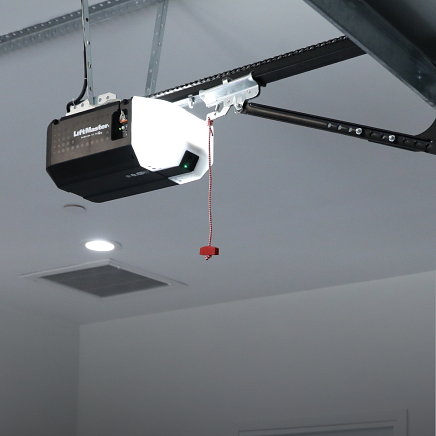
Shopping for a garage door opener can feel like reading a spec sheet with no clear direction. Every brand lists a different set of features, and it is not always obvious which ones make a real difference in your daily life and which ones are just marketing language. The wrong choice does not just cost you money upfront. It can mean years of frustration, missed safety protections, and a system that does not work the way your home needs it to.
This guide breaks down the features that genuinely matter, explains why each one is worth understanding before you buy, and helps you separate the must-haves from the nice-to-haves based on how you actually use your garage.
Motor Strength and Horsepower Rating
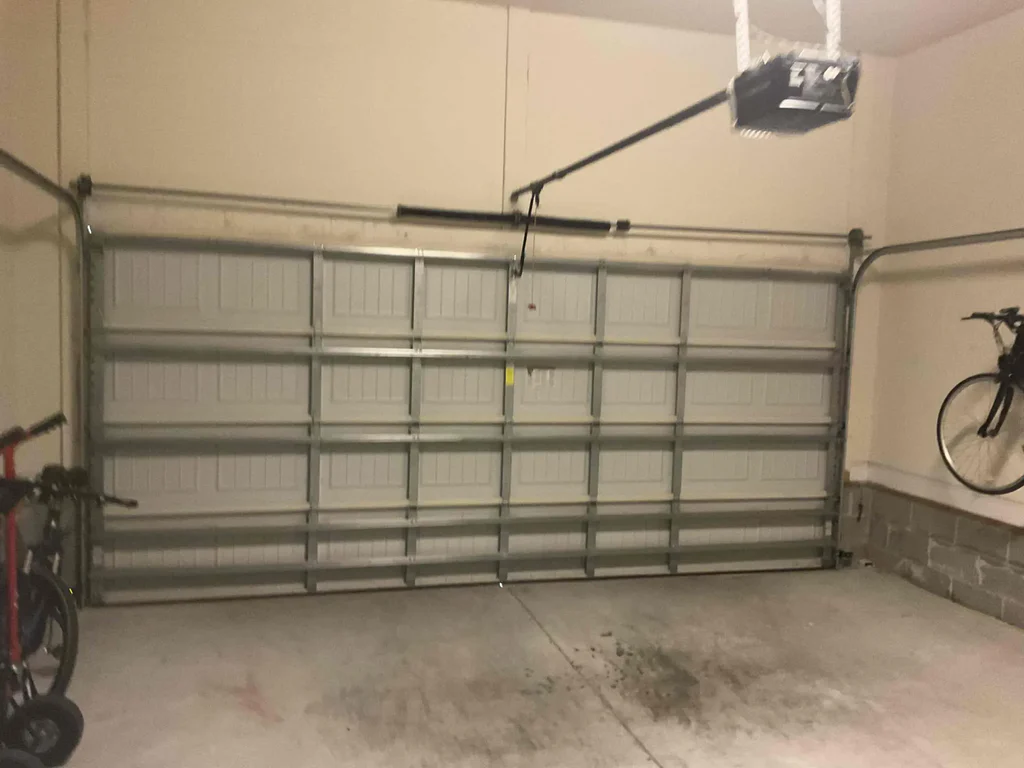
The motor is the heart of any garage door opener, and choosing the right horsepower for your door is the single most important technical decision you will make. An underpowered motor strains to lift a heavy door, wears out faster, and creates reliability problems that no amount of smart features can resolve.
- Half-horsepower motors handle most standard single doors and lightweight double doors
- Three-quarter horsepower is the most commonly recommended rating for typical two-car garage doors
- One horsepower and above is suited for oversized, solid wood, or heavily insulated doors
Horsepower ratings also affect how smoothly the door operates over time. A motor with adequate power for your door runs at a comfortable level and generates less heat, which directly extends the life of the unit. Choosing a motor that is slightly above the minimum requirement for your door gives you a buffer that pays off over years of daily use.
Quick tip: Weigh your garage door before purchasing an opener if you are unsure of its rating. Most door manufacturers list the weight on a sticker near the bottom corner of the door. If you cannot find it, a technician can measure it during an inspection.
Understanding which brands offer the strongest access control options is part of a broader buying decision that How to Choose the Right Garage Door Opener Brand walks through in full detail.
Drive System Type
The drive system is what physically moves your door, and the type you choose affects noise level, maintenance requirements, and how long the system holds up over time. Regular garage door maintenance also plays a major role in keeping each drive system operating smoothly and extending the life of the opener. This is one feature where the right answer genuinely depends on your specific home setup.
- Chain drive systems are the most durable and affordable, but they produce more vibration and noise, making them better suited for detached garages
- Belt drive systems use a rubber belt instead of a metal chain, which makes them significantly quieter and a strong choice for garages connected to living spaces or bedrooms
- Screw drive systems use a threaded steel rod and have fewer moving parts, which reduces maintenance needs but can be sensitive to temperature extremes
In Irvine, CA, where most homes have attached garages and the climate is relatively mild, belt drive systems are a popular and practical choice. They run quietly enough that you will barely notice the opener operating, which matters a great deal when bedrooms or home offices share a wall with the garage.
Rolling Code Security Technology
Security is a feature that homeowners sometimes overlook because garage door openers feel like a mundane home appliance. But your garage door is one of the most common entry points into a home, and the security technology built into your opener plays a real role in keeping it protected.
- Fixed code openers, which are older technology, transmit the same signal every time the remote is used, making them vulnerable to code-grabbing devices
- Rolling code technology generates a new encrypted access code with every single remote activation, so even if someone captures the signal, it cannot be reused
- Some advanced systems add an additional layer of encryption beyond rolling code for even stronger protection
Most openers sold today include rolling code technology as a standard feature, but it is worth confirming before purchasing, especially if you are considering an older or budget model. Brands like LiftMaster, Genie, and Overhead Door all include robust rolling code systems across their residential product lines.
Quick tip: If you move into a home with an existing opener, reprogram all remotes and the keypad immediately. You have no way of knowing who has access codes from previous occupants.
For a closer look at how these brands compare on security and other features, What Are Common Garage Door Opener Brands? provides a useful brand-by-brand overview.
Smart Home and Wi-Fi Integration
Wi-Fi connectivity has moved from a premium feature to a practical expectation for most homeowners. A smart garage door opener lets you monitor and control your garage from anywhere through a smartphone app, which adds both convenience and security awareness to your daily routine.
- Remote open and close lets you grant access to a delivery, a family member, or a service technician without being home
- Real-time alerts notify you when the door is opened or closed, so you always know what is happening
- Activity history gives you a log of every door operation, which is useful for households with multiple users
The U.S. Department of Energy also points out that an energy-efficient garage setup, including insulated doors and proper weatherstripping, works best when the opener is matched to the door’s actual weight and construction, which is worth keeping in mind as you evaluate smart-enabled models.
Battery Backup
A garage door opener without battery backup becomes useless the moment the power goes out. For homeowners in Irvine, CA, where the garage is often the primary entry point into the home, losing access during a power outage is more than an inconvenience. It can become a safety issue.
- Battery backup allows the opener to complete a set number of cycles on stored power when the electrical supply is interrupted
- Some systems alert you through the companion app when the backup battery is running low
- Built-in backup is more reliable than add-on kits, which vary in quality and compatibility
Not every opener includes battery backup as a standard feature, so it is worth checking the product specifications before purchasing. LiftMaster offers battery backup on several of its mid-range and premium models, and it is one of the features that makes those units worth the additional investment for homeowners who want uninterrupted access regardless of grid conditions.
Noise Level and Vibration Control
How loud your garage door opener is may not seem like a critical feature until you are woken up at midnight by a family member coming home late. Noise level is a quality-of-life feature that matters far more in practice than it appears on a spec sheet.
- Belt drive systems are the quietest overall, making them the best choice for attached garages near sleeping areas
- DC motors run more quietly and smoothly than older AC motors and are now standard on most quality residential openers
- Vibration isolation mounts, available on select models, reduce the amount of noise and movement transferred into the ceiling and walls
If noise is a genuine concern in your home, look for openers that specifically advertise DC motor technology and soft start and stop functionality. Soft start gradually accelerates the door into motion rather than lurching it open, which reduces both noise and mechanical stress on the system over time.
Safety Sensors and Auto-Reverse
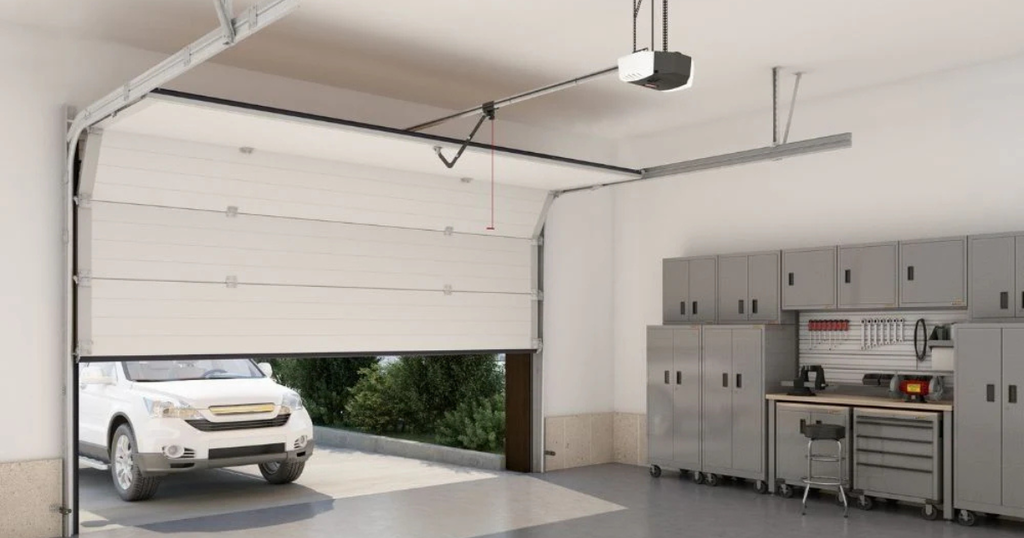
Safety sensors are not optional. They are a legal requirement on all garage door openers manufactured after 1993, and they are one of the features you should test regularly, regardless of how new or old your opener is.
- Photoelectric sensors send an invisible beam across the bottom of the door opening and trigger an auto-reverse if anything breaks that beam while the door is closing
- Mechanical auto-reverse triggers when the door makes contact with an object on the ground, reversing before it applies damaging force
- Some newer openers include motion detection that halts the door if movement is detected in the path zone before the beam is even broken
These features protect children, pets, and anyone who might be near the door during operation. When evaluating openers, check that both photoelectric and mechanical auto-reverse are included. A unit with only one of the two does not meet the full standard of protection that modern safety engineering provides.
Lighting and Interior Convenience Features
Built-in lighting is a standard feature on most openers, but the quality and functionality of that lighting varies considerably between models. For a space like a garage, where you are often carrying items or navigating in the dark, good lighting is a genuine practical benefit.
- LED lighting uses less energy and lasts significantly longer than incandescent bulbs used in older units
- Motion-activated lighting turns on when movement is detected in the garage, which is convenient and adds a layer of security
- Some models include a built-in outlet on the motor unit, which is useful for powering tools or charging devices without running an extension cord
These features do not affect how the opener performs mechanically, but they contribute to how useful and comfortable your garage is as a functional space. If you spend time working in your garage or frequently use it for storage access, lighting quality is worth considering alongside the technical specifications.
Keypad and Access Control Options
How you and your household access the garage beyond the standard remote is worth thinking through carefully. Most openers support a range of access methods, but the quality and flexibility of those options vary by brand and model.
- Wireless keypads mounted outside the garage allow entry without a remote, which is useful for family members who do not carry a remote in their vehicle
- Temporary access codes on smart-enabled keypads let you grant entry to a contractor or house sitter for a set period without sharing your permanent code
- Multi-car households benefit from openers that can be programmed with multiple remotes across different vehicles without conflict
If you regularly have service professionals, housekeepers, or family members who need occasional access to your garage, choosing an opener with flexible access control saves you from having to be present every time.
Warranty and Long-Term Support
A warranty is not just a safety net. It is a signal about how much confidence the manufacturer has in its own product. Comparing warranty terms before purchasing is a step that many homeowners skip and later regret when a component fails just outside the coverage window. Reliable garage door service and repair also depends on long-term parts availability and access to technicians who are familiar with the brand you choose.
- Motor warranties range from limited multi-year coverage to lifetime guarantees, depending on the brand and model tier
- Parts warranties cover components like the drive system, circuit board, and sensors for varying periods
- Labor coverage, which is less common, reduces out-of-pocket costs if a repair is needed while the unit is still under warranty
If you want guidance on which brands back their products most reliably, When Should You Replace Your Garage Door Opener? includes helpful context on how brand support affects long-term ownership costs.
Choosing Features That Match How You Actually Live
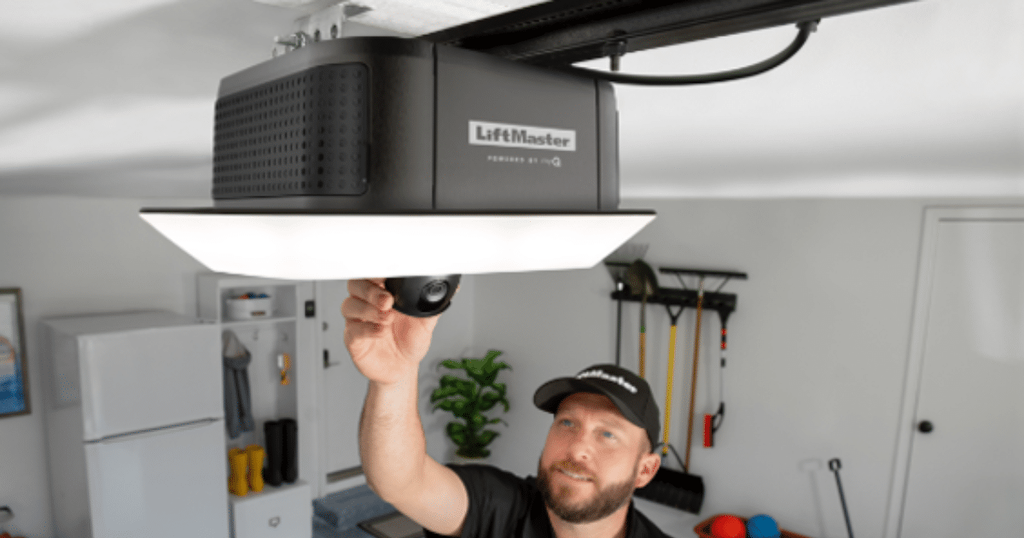
The best garage door opener is not the one with the longest feature list. It is the one whose features align with how your household uses the garage every day. A quiet belt drive with battery backup and smart integration may be exactly right for one home, while a straightforward chain drive with solid safety sensors is the better fit for another. Knowing which features genuinely serve your lifestyle makes the decision clearer and more confident.
Ocean Coast Garage Doors works with Irvine, CA homeowners to match the right opener features to the way they actually use their garage. Their team takes the time to understand your setup and recommend a system that delivers real value from day one. Contact us today or give us a call to schedule your consultation.
Frequently Asked Questions
Is a DC motor significantly better than an AC motor?
Yes, for most residential applications. DC motors run more quietly, offer soft start and stop functionality, and are generally more energy-efficient than older AC motor designs.
Can I add smart features to an opener that does not have built-in Wi-Fi?
Some third-party smart home conversion kits can add basic app control to older openers. However, they do not replace built-in functionality and may have limited compatibility with newer smart home platforms.
How many remotes can a typical garage door opener support?
Most residential openers can be programmed with up to 40 remotes or access devices, though the exact number varies by model. Check the product specifications if you have a large household or multiple vehicles.
What is soft start and stop, and why does it matter?
Soft start gradually brings the motor up to speed rather than activating at full power instantly. This reduces noise, mechanical stress, and wear on the drive system, which extends the life of the opener.
Is motion-activated lighting worth choosing over standard built-in lighting?
For most homeowners, yes. Motion-activated lighting turns on automatically when you enter the garage, which is more convenient and energy-efficient than lighting that runs on a fixed timer after each door operation.
Do I need a higher horsepower opener for a two-car garage door?
Yes. A two-car garage door is heavier than a single door and requires at least three-quarters horsepower. Using an underpowered motor on a heavy door shortens the motor's lifespan significantly.
What should I look for in a garage door opener keypad?
Look for a backlit keypad with a weatherproof housing, support for temporary access codes, and compatibility with your opener’s rolling code security system.
How do I know if my current opener has rolling code technology?
Check the model number against the manufacturer's website or look for a label on the remote that mentions Security+, Intellicode, or Codedodger. These are brand-specific names for rolling code systems.
Does the opener brand matter for feature quality, or are features mostly standardized?
Brand matters. While many features share similar names across brands, the quality of implementation, reliability of the companion app, and depth of smart home integration vary significantly between manufacturers. Bob Vila's garage door guide also reinforces that quality varies significantly across manufacturers, making brand research an important step before committing to any specific opener model or feature set.


