
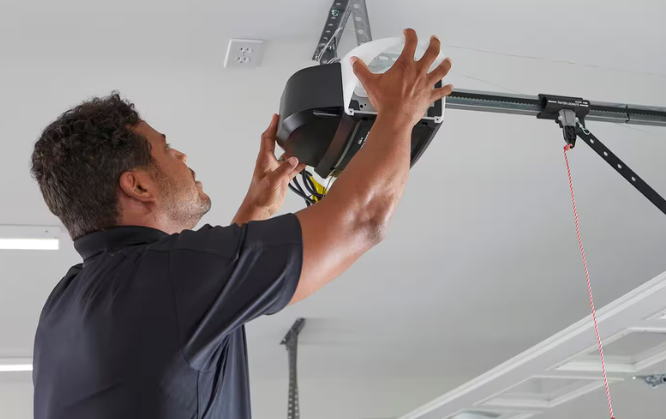
Most homeowners do not think about their garage door opener until it stops working at the worst possible moment. Maybe it is late at night, your car is in the driveway, and the door simply will not move. Or maybe it has been acting up for months, and you have been putting off the decision. The truth is, knowing when to replace your garage door opener before it fully breaks down saves you from an emergency situation and protects your home security in the process.
This guide covers the clearest signs that your opener is past its prime, what to check before making a final call, and how to approach the replacement process the smart way.
Your Opener Is More Than 10 to 15 Years Old
Age alone is one of the strongest indicators that a replacement conversation is overdue. Most garage door openers are built to last between 10 and 15 years under normal residential use. Once you cross that threshold, the likelihood of mechanical failure increases with every passing year.
- Motors begin to wear down after years of repeated cycles, even with regular maintenance
- Older circuit boards become harder to source when repairs are needed
- Safety technology from a decade ago does not meet the standards expected of modern openers
An opener that is still technically working at 15 years old is not necessarily a reliable one. Worn internal components can fail without warning, and an unexpected breakdown is always more disruptive and costly than a planned replacement.
Quick tip: Check the label on your opener motor unit. The manufacture date is usually printed on a sticker near the back or bottom of the unit. If you cannot find it, a technician can help you identify the age based on the model number.
To understand how different brands handle motor longevity and reliability, What Are Common Garage Door Opener Brands? gives a solid overview of how each major brand is built and supported.
It Makes Grinding, Rattling, or Straining Noises
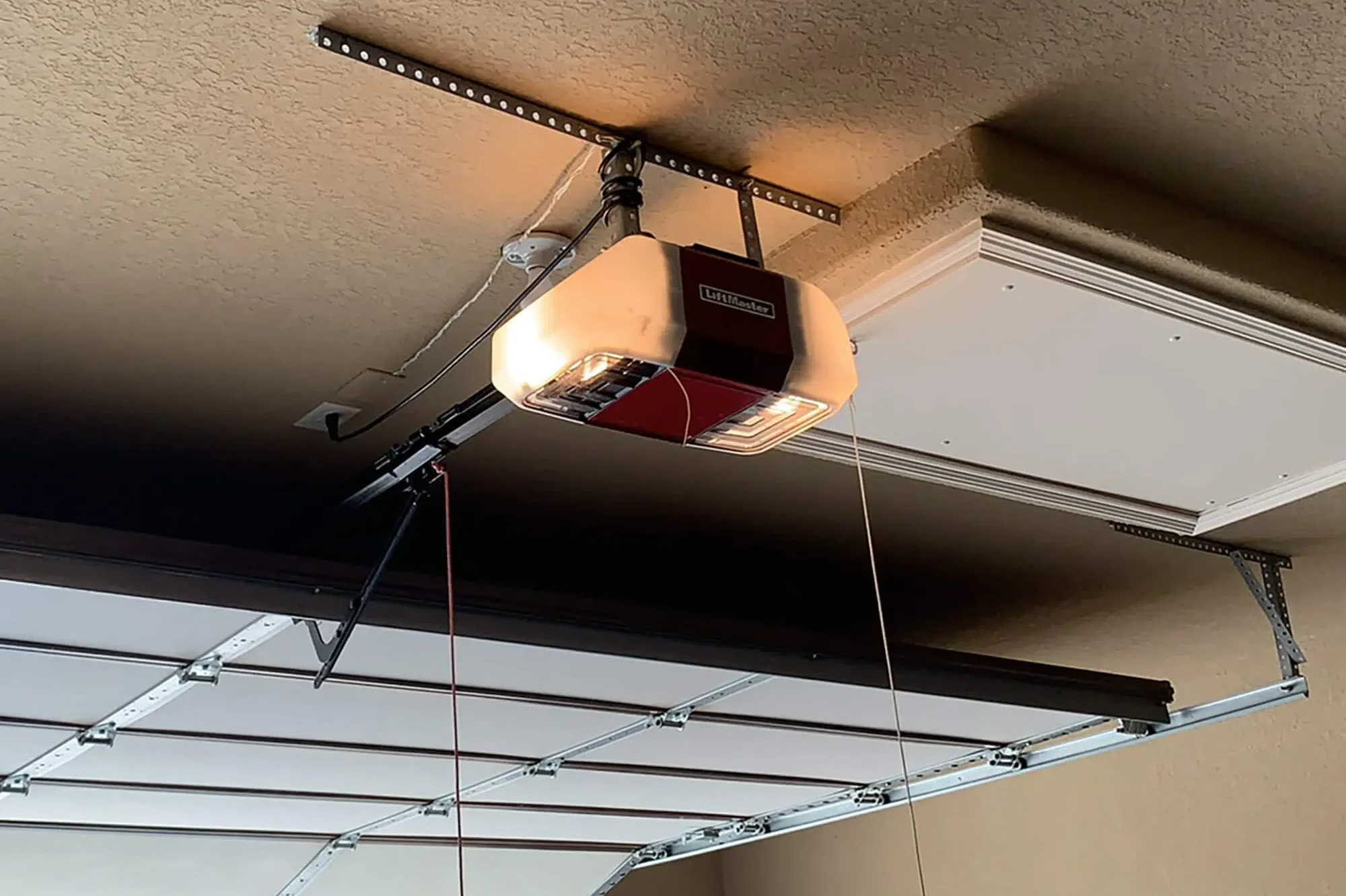
A garage door opener should operate with a consistent, relatively quiet sound. If new noises have been creeping in over the past few months, that is the opener signaling that something is wrong. In many cases, professional garage door service and repair can identify whether the issue is minor or a sign of a failing opener system. Not all noise issues require a full replacement, but some do.
- Grinding sounds often point to a worn drive gear or a motor that is working harder than it should
- Rattling may indicate loose hardware, but if it persists after tightening, internal components may be breaking down
- A straining or labored sound when the door moves usually means the motor is struggling, which puts stress on the entire system
Some noise issues can be resolved with lubrication or minor hardware adjustments. However, if the noise has been present for a long time or keeps returning after repairs, the underlying components are likely worn beyond a simple repair.
Quick tip: Apply a silicone-based lubricant to the chain or belt and all metal moving parts twice a year. If noises return within weeks of lubricating, the issue is mechanical rather than maintenance-related.
The Door Moves Slowly or Inconsistently
When a garage door opener was new, the door likely opened and closed at a smooth, consistent speed. If the door now moves more slowly than it used to, pauses mid-travel, or reverses without being told to, those are signs of a system that is losing reliability.
- Slow movement can indicate a weakening motor or an issue with the drive mechanism
- Intermittent operation, where the opener works sometimes but not others, often points to a failing circuit board or wiring issue
- Unexpected reversals that happen without an object in the door’s path suggest a faulty sensor or logic board
Before assuming the opener needs full replacement, have a technician check the door balance and sensor alignment. However, if those components check out and the problem persists, the opener itself is likely the source.
Your Opener Lacks Modern Safety Features
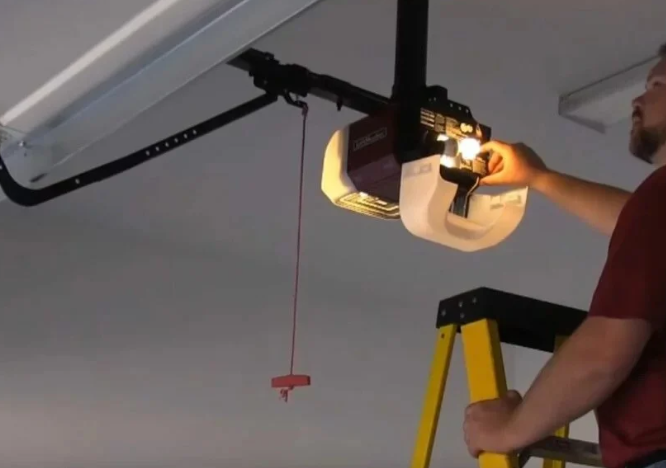
Garage door openers manufactured before 1993 are not required to include the auto-reverse entrapment protection that is now standard on all modern units. If your opener predates this requirement or was installed without functioning safety sensors, it poses a real risk to children, pets, and anyone near the door when it closes.
- Auto-reverse sensors detect objects in the door’s path and stop or reverse the door automatically
- Rolling code technology prevents signal theft by generating a new code with every remote activation
- Battery backup keeps the door operational during a power outage, which is a safety feature as much as a convenience
Even if an older opener still functions mechanically, the absence of these features is a strong case for replacement. Safety standards exist for good reason, and no amount of mechanical reliability makes up for a door that cannot protect the people in your home.
Safety note: Test your auto-reverse feature monthly by placing a two-by-four flat on the ground under the door and pressing close. The door should reverse immediately upon contact. If it does not, stop using the opener and have it inspected right away.
Repairs Are Becoming Frequent or Costly
Every mechanical system reaches a point where continued repairs no longer make financial sense. Garage door openers are no different. If a technician has been called out two or three times in the past year for the same opener, the cost of those repairs is likely approaching what a new system would cost.
- Repeated issues with the same component usually mean the part is at the end of its service life
- Older openers may require parts that are no longer manufactured, which drives up repair costs significantly
- Labor costs for complex repairs on an aging system can quickly exceed the value of the unit itself
A good rule of thumb used by technicians is the 50 percent rule. If the estimated repair cost is more than half the cost of a comparable replacement opener, a new unit is the smarter investment. Average repair costs vary depending on the issue and the parts involved, so getting a written estimate before agreeing to any major repair is always a good idea.
Your Remote or Wall Button Is Unreliable
Remote and wall button issues are sometimes simple repairs, but they can also be early warning signs of a deeper electrical or circuit board problem within the opener itself.
- A remote that works inconsistently, even after a battery change, may be dealing with a failing receiver inside the motor unit
- A wall button that requires multiple presses or stops responding entirely can indicate wiring issues or a deteriorating logic board
- If reprogramming the remote does not resolve the problem, the issue is almost certainly inside the opener
Before concluding that the opener needs replacement, swap the batteries in the remote and check the wiring connection at the wall button. If neither resolves the issue, a technician can test the receiver and logic board to confirm whether replacement is necessary.
Quick tip: If your remote works when standing close to the opener but fails from a normal distance, the antenna on the motor unit may be damaged or improperly positioned. This is an inexpensive repair worth checking before committing to a full replacement.
The Spruce’s troubleshooting guide walks through the most common remote and wall button failure scenarios, which can help homeowners distinguish between a quick repair and a sign of deeper electrical deterioration.
Your Opener No Longer Supports Smart Home Integration
Modern homeowners in Irvine, CA increasingly expect their garage door to function as part of a connected home. If your current opener has no Wi-Fi capability and no path to integration with your smart home system, it may be limiting convenience and security in ways that a newer unit would solve.
- Older openers cannot be retrofitted with full smart home capabilities in most cases
- Without app control, you cannot monitor whether the garage was left open or grant temporary access to a delivery person
- Smart openers with activity logs give you a clear record of every time the door is opened or closed
If smart integration matters to your household, this is a legitimate reason to consider replacement even if your current opener is still functioning. Knowing which features are worth upgrading for is something What Features Matter Most in a Garage Door Opener? covers in practical detail.
The Opener Was Damaged by a Power Surge or Storm
Electrical storms and power surges can cause damage to a garage door opener that is not always immediately visible. A unit that appears to work after a surge may have sustained damage to the circuit board that causes intermittent failures or a shortened remaining lifespan.
- Surge damage can affect the logic board, the motor control unit, or both
- Some damage only becomes apparent weeks after the event, as components continue to degrade
- Openers without built-in surge protection are especially vulnerable during storm season
If your opener began behaving differently after a storm or a power interruption, have it inspected promptly. In many cases, the cost of replacing a surge-damaged board is high enough to make a full replacement the more sensible choice.
ULSE’s overview of automatic garage door safety standards explains why surge protection and circuit board integrity are built into the performance benchmarks for modern openers, reinforcing why post-storm inspections matter.
You Are Planning a Home Sale or Renovation
If you are preparing to sell your home or completing a significant renovation, replacing an aging garage door opener is a practical upgrade that adds value and removes a potential inspection flag. Including garage door maintenance updates as part of your renovation checklist can also improve buyer confidence and help prevent last-minute repair requests during the sale process.
- A newer opener signals to buyers that the garage system has been maintained
- Modern openers with smart features are a selling point for tech-conscious buyers
- Replacing the opener during a renovation allows you to coordinate the installation with other work, reducing disruption
Even if your current opener technically works, a buyer’s inspection may flag an older unit as a maintenance concern. A proactive replacement removes that objection entirely.
Quick tip: When replacing the opener before a home sale, choose a brand with broad name recognition and a strong warranty. Buyers are more confident when they recognize a trusted brand. You can review How to Choose the Right Garage Door Opener Brand for a practical breakdown of what to look for when selecting a replacement.
The Right Time to Replace Is Before You Have No Choice
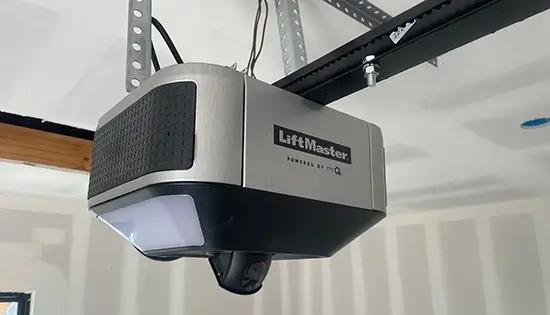
Waiting until your opener fails completely puts you in a reactive position, often at an inconvenient time and with fewer options. Recognizing the warning signs early gives you the chance to plan the replacement on your own schedule, choose the right brand and model, and have the work done properly by a professional.
Ocean Coast Garage Doors gives Irvine, CA, homeowners the honest assessments and reliable installations they need to stay ahead of a breakdown. Their experienced technicians will inspect your current system, walk you through your options, and set you up with a replacement that fits your home and budget. Contact us today or give us a call to schedule your inspection.
Frequently Asked Questions
How many cycles does a typical garage door opener last?
Most residential openers are rated for 10,000 to 20,000 cycles. A household that opens and closes the door four times daily will reach 10,000 cycles in roughly seven years.
Does a power outage damage a garage door opener?
A standard outage does not cause damage, but a power surge during a storm can harm the circuit board. Openers with built-in surge protection or battery backup handle outages better than older units.
Is it worth adding a battery backup to an existing opener?
Some newer openers support battery backup add-ons. If your opener is relatively new and does not have this feature, it may be worth adding. For older units, replacing the opener with one that includes built-in backup is usually more cost-effective.
What happens if I ignore the warning signs and keep using a failing opener?
Continued use of a failing opener can damage the garage door itself, create safety hazards, or result in a complete failure that leaves the door stuck open or closed at an inconvenient time.
How do I manually open my garage door if the opener fails?
Most openers have a red emergency release cord hanging from the trolley. Pulling it disconnects the door from the drive system so it can be opened manually. Always engage this carefully and only when the door is fully closed.
Can an old opener be upgraded with a smart home kit instead of being replaced?
Some smart home conversion kits can add basic app control to older openers, but they do not restore safety features, improve motor performance, or extend the mechanical life of the unit.
Should I replace both the opener and the garage door at the same time?
If both are aging, replacing them together can save on labor costs. However, if the door itself is in good condition, replacing just the opener is perfectly reasonable.
How much does garage door opener replacement typically cost?
Costs vary depending on the brand, model, drive type, and installation complexity. A technician can provide a written estimate based on your specific garage setup.
Does the number of cars in my garage affect how quickly my opener wears out?
Yes. A two-car garage with both doors on a single opener or a household that uses the garage as the primary entry point will accumulate cycles faster, which shortens the opener's lifespan.


