
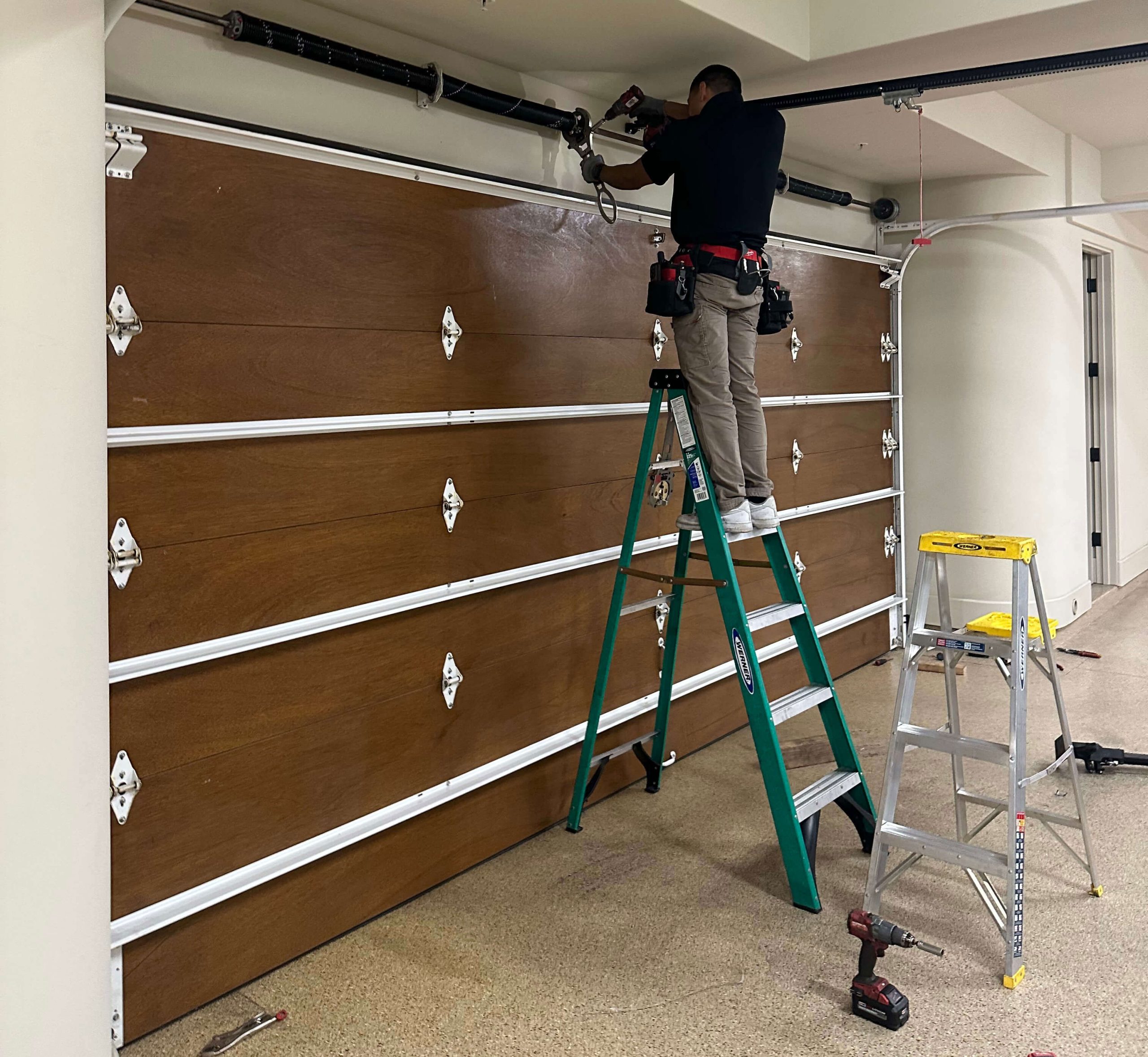
Garage door squeaking is a common issue that can appear after years of daily use. A garage door system has many moving parts, and as these components operate repeatedly, friction and normal wear can gradually create squeaking sounds.
In many homes in Irvine, CA, the garage door is used as the main entry point, which means parts like rollers, hinges, springs, tracks, and bearings move frequently. Over time, these components may begin to make noise as they age or lose lubrication.
Although squeaking may seem minor, it can sometimes signal that the system needs garage door maintenance, garage door repair, or a professional inspection. Understanding the possible causes can help homeowners recognize early signs before the problem becomes more serious.
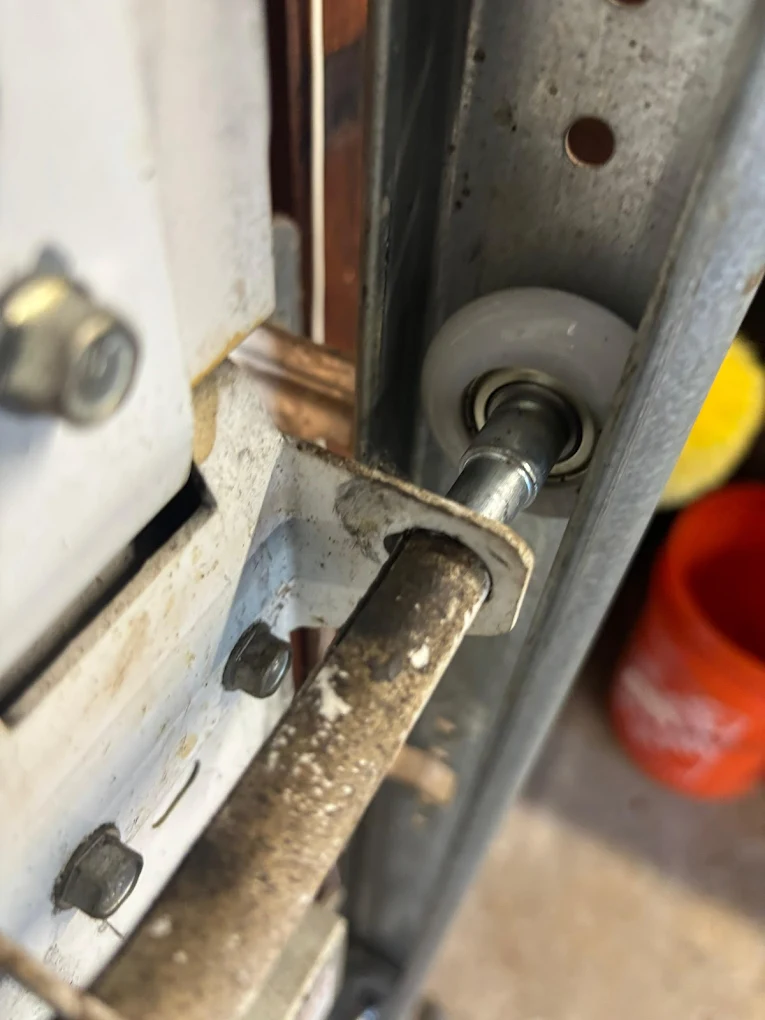
Lack of Lubrication on Moving Garage Door Parts
One of the most common causes of garage door squeaking is insufficient lubrication on moving metal parts. Garage doors rely on several components that move against each other during operation. When lubrication dries out, friction increases, which often leads to squeaking or creaking sounds.
Key components that typically require periodic lubrication include:
- Garage door rollers
- Hinges between door panels
- Springs and bearings
- Metal brackets and pivot points
Over time, lubrication can wear away due to repeated movement, dust buildup, and temperature changes. In areas such as Irvine, CA, warm weather and dry conditions can gradually reduce lubrication effectiveness.
Signs to Watch For
Certain indicators may suggest lubrication is needed:
- Squeaking during opening or closing
- Noise coming from hinges or roller areas
- Slight vibration while the door moves
Helpful Tip
Routine garage door maintenance often includes lubrication of moving components. Preventive maintenance helps reduce friction and allows the system to operate more quietly and efficiently.
Average service cost: Low to moderate, depending on inspection needs.
For more helpful insights, the guide How to Stop a Garage Door From Squeaking explains additional ways homeowners can address and reduce garage door noise.
Worn or Aging Garage Door Rollers
Garage door rollers play an important role in helping the door move smoothly along the track system. These small wheels guide the door as it travels up and down the tracks.
Over time, rollers may begin to wear down due to constant movement. Older garage doors often contain steel rollers without ball bearings, which tend to produce more friction and noise compared to modern roller designs.
As rollers age, several issues may develop:
- Flattened surfaces from repeated use
- Reduced lubrication inside roller bearings
- Increased friction between rollers and tracks
When these conditions occur, squeaking or grinding sounds may become more noticeable.
What Homeowners May Notice
Symptoms of worn rollers can include:
- A noisy garage door when opening
- Slight shaking during movement
- Uneven door travel along the tracks
Helpful Tip
Rollers showing signs of wear should be evaluated during a professional garage door inspection. In some cases, upgrading to quieter roller types may improve overall door operation.
Average upgrade cost: Moderate, depending on the roller type.
For more information about noise during operation, the article Why Does Garage Door Squeaking Happen When Opening explains what may cause the sound when the door starts moving.
Loose or Worn Garage Door Hinges
Garage door hinges connect the panels of the door and allow them to bend as the door moves along the curved track. These hinges experience constant motion whenever the garage door operates.
Over time, hinges may loosen due to:
- Daily vibration from the garage door opener
- Repeated opening and closing cycles
- Metal fatigue caused by years of movement
When hinges become loose or worn, metal parts may rub against each other, producing a high-pitched squeaking sound.
Signs to Check
Homeowners may notice:
- Rust forming on hinge surfaces
- Slight movement in hinge hardware
- Noise near the middle sections of the door
Helpful Tip
During routine garage door service and repair inspections, technicians often check hinge condition and tighten hardware. Addressing hinge wear early may help prevent additional stress on the door panels.
Average repair cost: Low to moderate, depending on hinge condition.
For additional insights, the article Is Garage Door Squeaking a Sign of a Bigger Problem explains when garage door noise may indicate a more serious issue.
Changes in Garage Door Spring Tension
Garage door springs are responsible for counterbalancing the weight of the door. These springs allow the door to open and close smoothly without placing excessive strain on the opener system.
As springs age, they can experience:
- Increased friction between coils
- Gradual tension changes
- Surface wear from repeated compression and expansion
When spring components begin to wear, squeaking or creaking sounds may occur during operation.
Environmental conditions may also influence spring wear. In Irvine, CA, coastal humidity and temperature fluctuations can slowly affect metal components over time.
Warning Signs
Indicators of spring-related noise may include:
- Squeaking near the top of the door
- Slower door movement
- The door feels heavier during operation
Important Note
Garage door springs operate under high tension and should always be inspected by trained professionals. Improper handling can create safety risks.
Average service cost: Moderate, depending on spring conditions.
Dust, Dirt, and Debris in Garage Door Tracks
Garage door tracks guide the rollers as the door travels between open and closed positions. When tracks are clean and properly aligned, rollers move smoothly with minimal noise.
However, debris may gradually build up in the tracks. Dust, small leaves, and other particles can create resistance, which increases friction between the rollers and track surfaces.
In some Irvine neighborhoods, landscaping, wind, or nearby construction activity can contribute to debris entering the garage.
What to Look For
Signs of track-related issues may include:
- Visible debris inside the track
- Jerky or uneven door movement
- Scraping or squeaking sounds during operation
Helpful Tip
Keeping tracks clean and free of debris can help reduce friction. If the door appears misaligned or difficult to move, a garage door inspection may help determine whether adjustments are needed.
Aging Garage Door System Components
Garage door systems typically last between 15 and 30 years, depending on usage and maintenance. As the system ages, several components may gradually wear down.
Parts that often experience age-related wear include:
- Rollers
- Hinges
- Bearings
- Brackets
- Springs
When multiple parts begin to age at the same time, squeaking noises can become more frequent.
Signs the System May Be Aging
Homeowners may notice:
- More frequent squeaking sounds
- Increased vibration during operation
- Slower opening or closing speed
Helpful Tip
A professional evaluation may identify specific components that could benefit from upgrades. In some cases, replacing worn hardware may improve door performance without requiring full door replacement.
Average upgrade cost: Moderate, depending on the parts involved.
Garage Door Opener Strain
In some situations, the squeaking noise may not come directly from the door itself but from the garage door opener system.
When certain components begin to wear or the door becomes slightly unbalanced, the opener motor may need to work harder than normal. This extra strain can produce unusual sounds, including squeaking or vibration.
What Homeowners May Notice
Possible signs of opener strain include:
- Louder motor noise
- Slower door movement
- Vibrations during opening or closing
Helpful Tip
Routine garage door service and repair inspections can help ensure the door and opener remain properly balanced. Maintaining correct alignment and tension helps reduce strain on the opener system.
Average service cost: Moderate, depending on adjustments needed.
How Homeowners in Irvine Can Reduce Garage Door Squeaking
Preventive care is one of the most effective ways to reduce the chances of a garage door squeaking developing over time. Regular observation and simple garage door maintenance habits can help identify small issues before they become larger mechanical problems.
Helpful preventive steps include:
- Scheduling periodic garage door maintenance inspections
- Listening for new or unusual noises during operation
- Checking for visible loose hardware
- Keeping garage door tracks clear of debris
- Monitoring door balance and movement
These simple steps can help ensure the garage door system continues to operate safely and smoothly.
When Garage Door Squeaking Should Be Professionally Inspected
Occasional noise does not always indicate a serious issue. However, certain warning signs may suggest that a professional evaluation is necessary.
Consider scheduling an inspection if:
- Squeaking becomes louder over time
- The garage door moves unevenly
- Vibration increases during operation
- The door appears unbalanced
- Opening or closing becomes slower
A trained technician can examine the entire garage door system, identify the source of the noise, and determine whether lubrication, adjustments, or garage door service and repair may be recommended to restore smooth and safe operation.
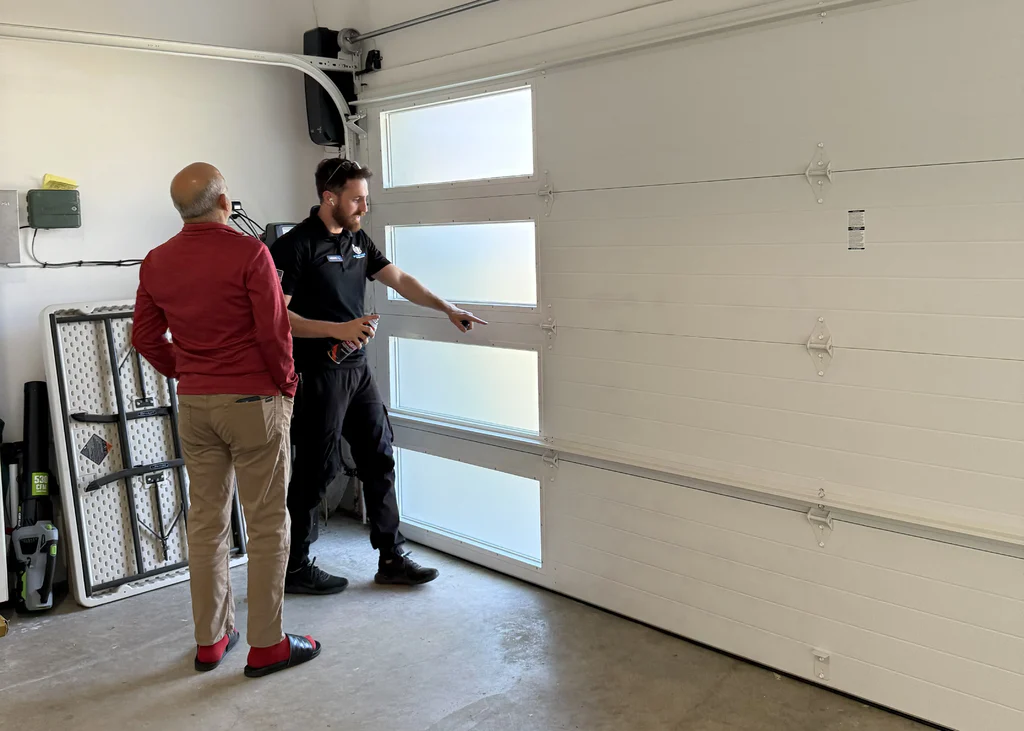
Understanding Why Garage Door Squeaking Develops Over Time
Garage door squeaking often develops as parts experience normal wear, friction, and aging. Components like rollers, hinges, springs, and tracks can produce noise when they become dry, loose, or worn.
Paying attention to early warning signs can help prevent minor issues from turning into larger mechanical problems.
For homes in Irvine, CA, regular inspections and preventive garage door maintenance can help keep the system operating quietly, safely, and reliably for many years. If the system becomes heavily worn or outdated, homeowners may also consider garage doors replacement and installation to improve long-term performance and reliability.
Professional Garage Door Inspection and Service in Irvine, CA
For homeowners who prefer professional assistance, Ocean Coast Garage Doors provides experienced garage door service and inspections in Irvine, CA. Our team evaluates the condition of garage door systems and helps ensure components operate smoothly and safely. Contact us today or give us a call to schedule an inspection and keep your garage door performing at its best.
Frequently Asked Questions
Is a squeaking garage door a serious problem?
A squeaking garage door is often a sign that some parts need maintenance. While it may start as a minor issue, ongoing noise can sometimes indicate worn components that should be inspected. For more information about possible causes, visit Alibaba.
Which garage door parts commonly cause squeaking?
The most common parts that cause squeaking include rollers, hinges, springs, bearings, and metal brackets. These parts move frequently and can produce noise when friction increases.
Can the weather affect garage door squeaking?
Yes. Temperature changes, humidity, and dust can affect metal components. In areas like Irvine, CA, seasonal temperature shifts and coastal moisture may gradually influence lubrication and metal wear.
How often should garage doors be inspected for noise problems?
Most garage door professionals recommend a garage door inspection at least once a year. Regular inspections help identify worn parts early and keep the system operating smoothly.
Can garage door rollers cause squeaking sounds?
Yes. Worn or aging rollers are one of the most common sources of garage door noise. When rollers lose lubrication or develop flat spots, they can create squeaking or grinding sounds.
Should garage door springs make squeaking noises?
Springs may occasionally produce noise as they move, but consistent squeaking can indicate friction or wear. Because springs operate under high tension, they should be inspected by trained technicians.
When should a noisy garage door be professionally inspected?
Professional inspection may be helpful if squeaking becomes louder, the door moves unevenly, or vibrations increase during operation. These signs may indicate deeper mechanical wear.
Can regular garage door maintenance reduce squeaking?
Yes. Routine garage door maintenance helps keep moving parts lubricated and hardware properly adjusted, which can significantly reduce noise and improve system performance.
How long do garage door components usually last?
Many garage door components last 15 to 30 years, depending on usage and maintenance. Parts such as rollers and springs may require earlier replacement if the door is used frequently.


