
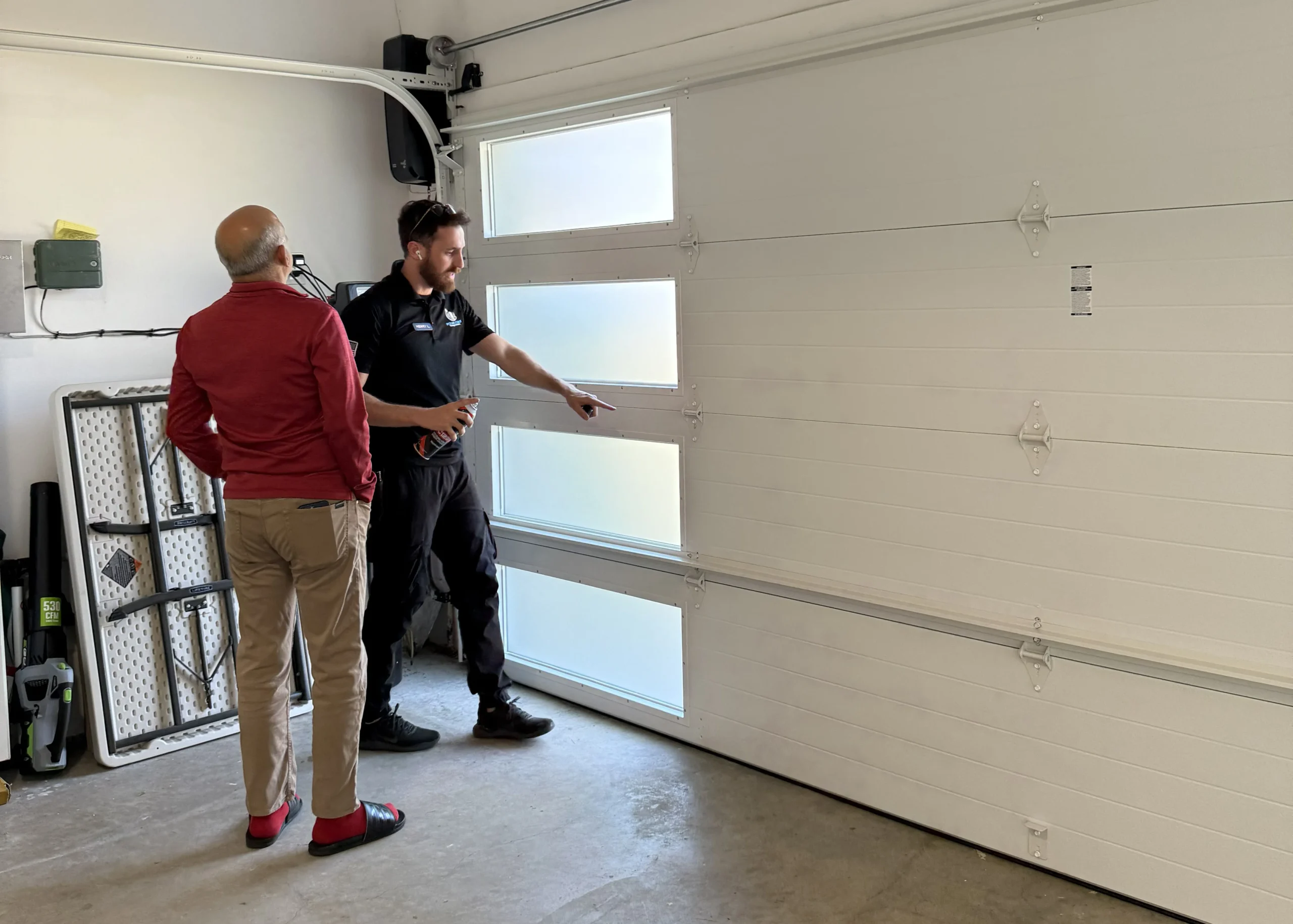
Garage doors are used several times a day in many homes. When the garage door begins to squeak, it can quickly become noticeable. While occasional noise may be minor, it can also signal that certain garage door components are starting to wear and may eventually require garage door repair.
In Irvine, CA, garage doors often serve as the main entry point, which means the system experiences frequent movement and friction. Over time, this can lead to squeaking, grinding, or rattling sounds.
A squeaking garage door does not always indicate a serious problem. In many cases, the issue may simply require lubrication or routine garage door maintenance. However, persistent noise may suggest wear in parts such as rollers, hinges, springs, or tracks that could need professional garage door repair.
Garage door squeaking is commonly caused by a lack of lubrication, worn rollers, loose hardware, or aging components. While it is often a maintenance issue, ongoing noise may indicate deeper mechanical wear that should be inspected and possibly addressed through garage door repair.
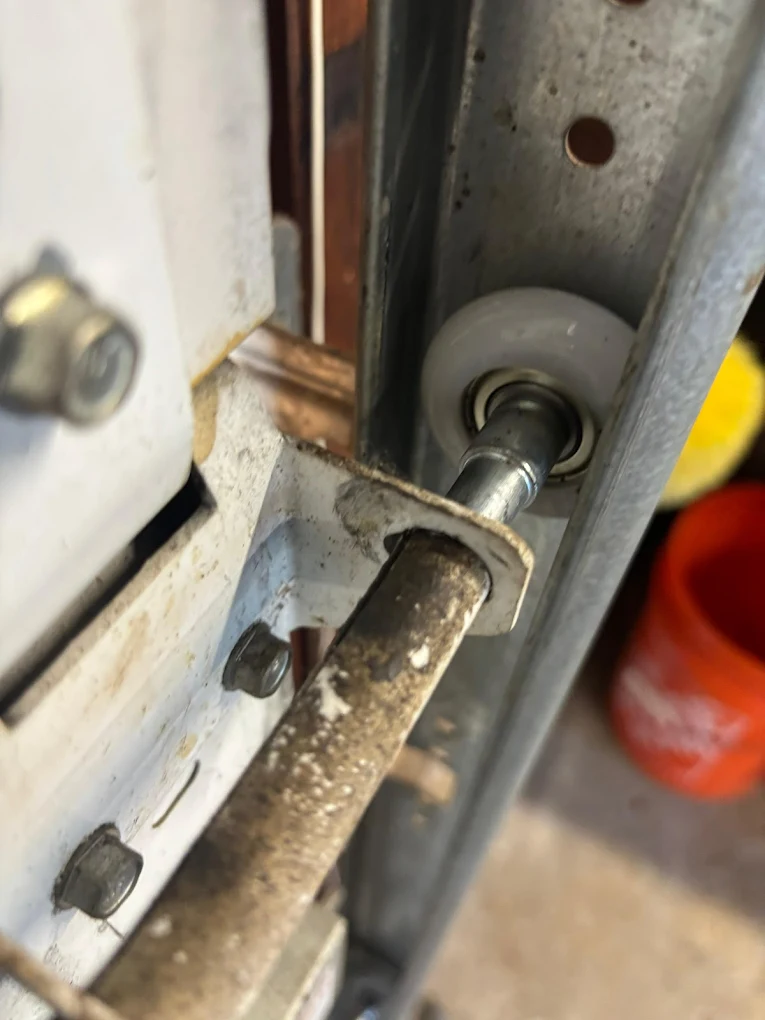
Lack of Lubrication on Moving Garage Door Parts
One of the most common causes of garage door squeaking is simply a lack of lubrication. Garage doors contain many moving parts that rely on smooth movement to operate quietly.
Key components include:
- Garage door rollers
- Hinges between door panels
- Spring systems
- Bearings and pivot points
- Garage door opener mechanisms
When lubrication dries out or wears away, metal parts begin to rub against each other. This increased friction produces the familiar squeaking sound heard during opening or closing.
The climate in Irvine, CA, can also play a role. Warm temperatures and frequent garage door use can cause lubricants to dry out faster, especially if maintenance has not been performed recently.
What to check
Some signs of lubrication issues include:
- Squeaking that occurs during both opening and closing
- Noise coming from hinges or roller areas
- A dry or dusty appearance on moving components
Tip to reduce the problem
Routine garage door maintenance that includes lubrication helps reduce friction and protects mechanical parts from premature wear.
Average maintenance cost: Low to moderate, depending on the inspection scope.
For additional guidance, the blog How to Stop a Garage Door From Squeaking explains helpful ways homeowners can address common garage door noise issues.
Worn or Aging Garage Door Rollers
Another common source of squeaking comes from worn garage door rollers. These rollers guide the door along the track as it moves up and down.
Older garage door systems often use steel rollers without sealed bearings. Over time, these rollers can wear down and begin producing squeaking or grinding noises.
Rollers that are reaching the end of their lifespan may also create:
- Vibration during operation
- Uneven movement
- Jerking while opening or closing
Homes in Irvine that use garage doors multiple times per day may experience faster roller wear due to constant movement.
Signs of worn rollers
- Squeaking near the garage door tracks
- Rough or uneven door movement
- Increased vibration while operating the door
What homeowners should consider
Upgrading older rollers to nylon rollers with sealed bearings can often improve both noise levels and overall door performance.
Average upgrade cost: Moderate, depending on the number of rollers replaced.
For more insights into what causes these sounds, the blog Why Does Garage Door Squeaking Happen When Opening explains common reasons behind garage door noise.
Loose Hardware in the Garage Door System
Garage door systems move hundreds or even thousands of times each year. Over time, the vibration created during operation can slowly loosen hardware throughout the system.
Loose components may include:
- Hinge brackets
- Roller brackets
- Track mounting bolts
- Garage door opener mounting hardware
When hardware begins to loosen, the door may produce squeaking or rattling sounds as parts shift slightly during operation.
Why this happens
Normal vibration from opening and closing gradually loosens bolts and screws. Even small amounts of movement can create friction between components.
Tip for prevention
Periodic garage door inspections help identify loose hardware early. Tightening these components can prevent additional wear and maintain smooth operation.
Average inspection cost: Low to moderate, depending on the service provider.
For a deeper understanding of how noise develops as parts age, the blog What Causes Garage Door Squeaking Over Time explores the common factors behind long-term garage door wear.
Worn Garage Door Hinges
Garage door hinges connect each section of the door and allow the panels to bend as the door travels along the curved track.
Because hinges move every time the garage door operates, they experience constant mechanical stress. Over time, the pivot points inside hinges may begin to wear.
When this occurs, homeowners may hear a high-pitched squeaking sound between the garage door panels.
Signs that the hinges may be wearing out
- Squeaking during the mid-movement of the door
- Noise coming from the center sections of the door
- Visible rust or wear on hinge plates
Maintenance tip
Routine lubrication and periodic inspection help reduce friction at hinge pivot points and extend the life of these components.
If hinges become severely worn, replacement may be recommended to maintain smooth door movement.
Garage Door Spring Tension Changes
Garage door springs play a critical role in lifting and balancing the door. These springs support the majority of the door’s weight and allow it to open smoothly.
When springs begin to age or lose tension, the door system may place extra strain on other components. This added stress can sometimes cause squeaking sounds during operation.
Spring wear can also affect:
- Door balance
- Opening speed
- Strain on the garage door opener
Warning signs to watch for
- The door feels heavier than usual
- The door opens unevenly
- Squeaking or strain near the spring system
Safety reminder
Garage door springs operate under extremely high tension and should always be inspected by trained professionals. Attempting to adjust or repair springs without proper equipment can create serious safety risks.
Average spring service cost: Moderate to higher, depending on spring type
Misaligned Garage Door Tracks
Garage door tracks guide the rollers as the door opens and closes. When tracks become slightly misaligned, rollers may rub against the metal surface, creating squeaking or scraping sounds.
Track alignment issues can develop due to:
- Accidental bumps from vehicles or objects
- Loose mounting brackets
- Long-term mechanical wear
- Small structural shifts in the garage
Even a slight shift in track alignment can increase friction and cause noise.
Signs of track alignment issues
- Jerky door movement
- Squeaking along the track area
- Visible gaps between rollers and tracks
What to check
A visual inspection may reveal bent track sections or brackets that appear loose.
Professional technicians can ensure that the tracks are properly aligned and securely mounted to maintain safe door operation.
Garage Door Age and System Wear
Garage door systems are designed to last for many years, but no mechanical system lasts forever. Over time, normal wear can affect several components at once.
Most residential garage doors have an average lifespan of 15 to 30 years, depending on maintenance and usage.
Older systems may develop squeaking due to:
- Worn hinges
- Aging rollers
- Outdated spring systems
- Reduced vibration control
Homes in Irvine, CA often experience frequent garage door use, which can accelerate wear on these moving components.
When upgrades may help
Replacing aging components such as rollers or hinges can sometimes improve both noise levels and overall door performance.
Average upgrade cost: Moderate, depending on the components involved
Lack of Regular Garage Door Maintenance
Many garage door issues develop slowly over time due to delayed maintenance. Small noises that begin as minor friction can gradually turn into larger mechanical problems.
Routine garage door maintenance helps ensure that the entire system continues to operate safely and smoothly.
A typical maintenance inspection may include:
- Lubrication of moving components
- Inspection of rollers and hinges
- Checking the spring balance
- Track alignment evaluation
- Opener safety testing
In areas like Irvine, where garage doors are used frequently, scheduled maintenance helps extend the lifespan of the system.
Tip for homeowners
Early detection of small issues can help prevent larger repairs and maintain consistent garage door performance.
Average maintenance cost: Low compared to major repairs
How Homeowners in Irvine Can Reduce Garage Door Squeaking
Simple preventive habits can help reduce the chances of a garage door squeaking developing over time.
Helpful steps include:
- Paying attention to new or unusual noises
- Scheduling periodic garage door maintenance
- Ensuring moving components remain properly lubricated
- Checking for visible loose hardware
- Scheduling professional inspections when changes occur
Routine garage door maintenance helps detect early signs of wear and keeps the garage door system operating smoothly. Regular monitoring helps ensure that the garage door system remains balanced, reliable, and safe to operate.
When a Squeaking Garage Door Should Be Inspected
While occasional noise may not be a serious concern, certain warning signs may indicate that a professional inspection is necessary.
Consider scheduling an inspection if:
- Squeaking becomes louder over time
- The garage door moves unevenly
- Vibration increases during operation
- The door opens or closes more slowly
- The door appears unbalanced
In these situations, professional garage door service and repair can help identify worn components, restore proper balance, and ensure the garage door system continues to operate safely and efficiently.
Why Garage Door Squeaking Should Not Be Ignored
A garage door squeaking sound is often an early sign that parts of the system need attention. In many cases, the issue may be resolved with simple maintenance such as lubrication or tightening loose components.
However, persistent squeaking may indicate worn rollers, aging hinges, spring tension issues, or track alignment problems that could eventually require professional garage door repair.
For homeowners in Irvine, CA, routine inspections and maintenance help keep the garage door operating safely and may prevent more serious problems in the future. In some cases, aging systems may also require garage doors replacement and installation when multiple components reach the end of their lifespan.
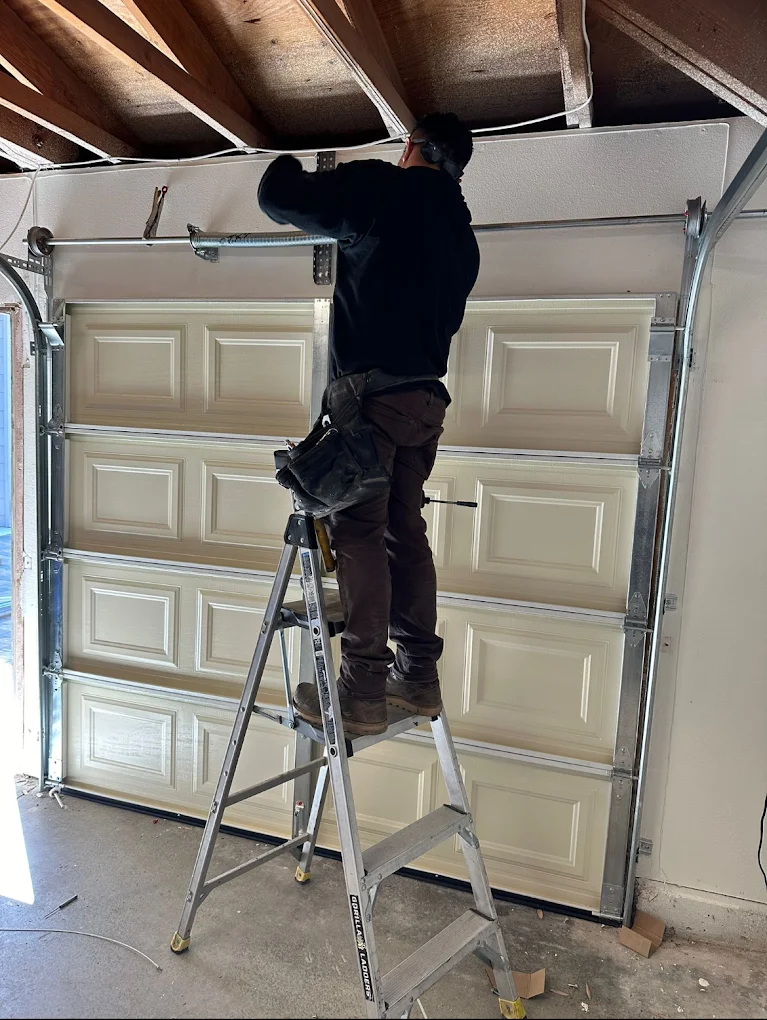
Schedule a Professional Garage Door Inspection in Irvine, CA
When unusual garage door noises continue or become more noticeable, having the system inspected by experienced professionals can help identify the cause early. Ocean Coast Garage Doors provides reliable garage door inspections, maintenance, and repair services for homeowners throughout Irvine, CA. A professional evaluation helps ensure the garage door system remains safe, balanced, and operating smoothly. Contact us today or give us a call to schedule a garage door inspection and keep the system running quietly and efficiently.
Frequently Asked Questions
Why does my garage door squeak when opening?
A garage door often squeaks during opening when moving parts such as rollers, hinges, or springs experience friction. This usually happens when lubrication wears off or when components begin to age. More information about common causes and solutions for noisy garage doors can be found at Kenna Real Estate.
Can a squeaking garage door become a bigger problem?
Yes. While many squeaks start as minor maintenance issues, ignoring them may lead to increased friction and stress on other parts of the system, which can eventually cause more serious mechanical wear.
Which parts of a garage door usually cause squeaking?
The most common sources of squeaking include garage door rollers, hinges, springs, bearings, and track contact points. These components move frequently and may develop friction over time.
How often should garage door maintenance be done to prevent squeaking?
Most garage door systems benefit from a professional inspection and maintenance service at least once a year. Regular lubrication and hardware checks help reduce noise and extend the life of the system.
Are older garage doors more likely to squeak?
Yes. Older garage doors often contain aging rollers, worn hinges, and outdated components that can produce more noise as the system experiences normal wear.
Can the weather affect garage door squeaking?
Yes. Temperature changes and dry conditions can cause lubricants to wear out faster, which may increase friction between moving components and lead to squeaking sounds.
Should a squeaking garage door be inspected by a professional?
If the squeaking becomes louder, occurs frequently, or is accompanied by vibration or uneven movement, a professional garage door inspection can help identify the underlying cause.
Do worn garage door rollers cause noise?
Worn rollers are one of the most common causes of a noisy garage door. As rollers age or lose their bearings, they may create squeaking or grinding sounds along the track.
Can regular maintenance prevent garage door squeaking?
Yes. Routine garage door maintenance, including lubrication and component inspection, helps reduce friction, detect early wear, and keep the garage door operating smoothly and quietly.


