
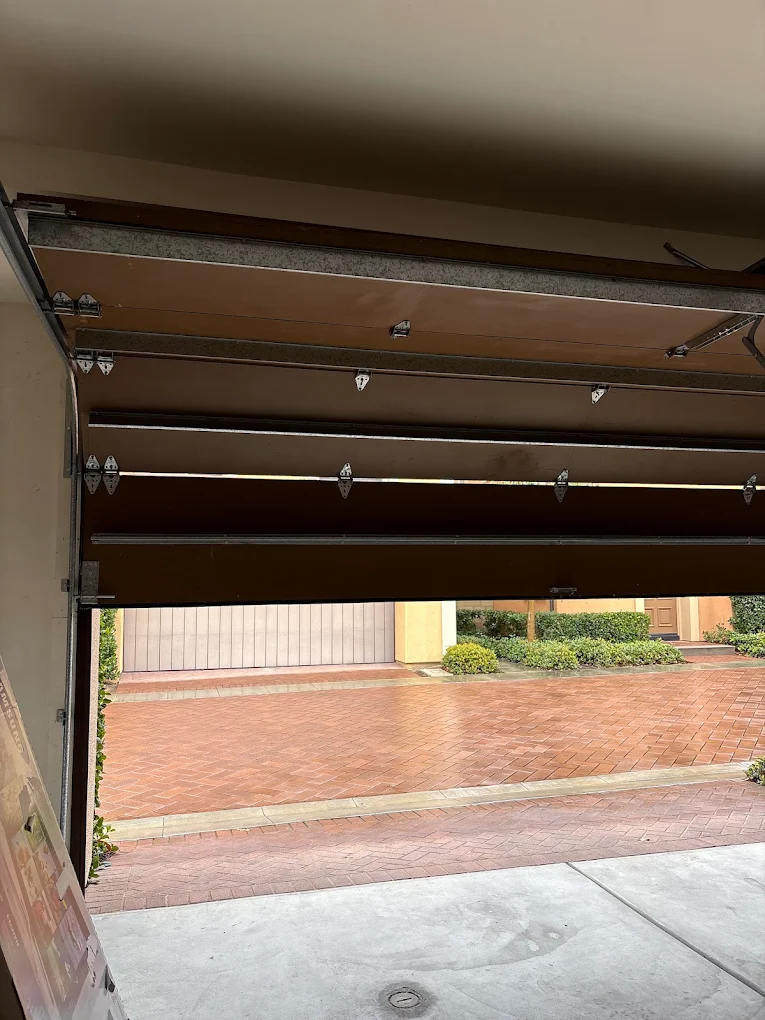
A garage door squeaking when opening is a common issue that many homeowners experience. While it may seem like a minor annoyance, the noise often indicates friction, wear, or aging parts within the garage door system.
In many homes in Irvine, CA, garage doors are used several times a day as a main entry point. Frequent use, along with exposure to dust and coastal moisture, can gradually affect components such as rollers, hinges, springs, and tracks.
As these parts begin to wear or lose lubrication, they may create squeaking sounds during operation. In many cases, the issue can be reduced with regular garage door maintenance, routine inspections, or timely garage door repair to keep the system running smoothly and safely.
Lack of Lubrication on Moving Parts
One of the most common reasons a garage door squeaks when opening is a lack of lubrication on moving parts. Garage doors rely on multiple metal components working together smoothly. When these parts begin to dry out, friction develops and creates noise during operation.
Several components typically require periodic lubrication, including:
- Garage door rollers
- Hinges between door panels
- Torsion or extension springs
- Bearings
- Pivot points
When these parts move without proper lubrication, metal surfaces may rub against each other. This friction often produces a high-pitched squeaking sound each time the door opens or closes.
What Homeowners in Irvine Should Check
Some signs that lubrication may be needed include:
- Squeaking sounds that occur throughout the door movement
- Dry or dusty rollers and hinges
- Increased friction during operation
Helpful Tip
Routine garage door maintenance often includes lubricating moving components using products designed specifically for garage door systems. This helps reduce friction and can extend the lifespan of key parts.
Average maintenance cost: low to moderate, depending on service needs.
For more practical insights, the blog How to Stop a Garage Door From Squeaking explains additional ways homeowners can help reduce garage door noise and keep the system operating smoothly.

Worn or Aging Garage Door Rollers
Garage door rollers play an important role in guiding the door smoothly along the tracks. Over time, these rollers can become worn, damaged, or less effective at rotating properly.
In older garage door systems, steel rollers without ball bearings are common. These types of rollers often become noisy as they age, especially when the door is used frequently.
Signs the Rollers May Be Causing the Noise
Some indicators of roller wear include:
- Squeaking sounds are coming from the track area
- Rough or jerky door movement
- Visible wear or cracks on the rollers
In many Irvine neighborhoods, homes built several years ago may still have older roller systems installed. As these components age, they may produce more noise during operation.
What to Consider
Upgrading to nylon garage door rollers with sealed bearings can often help reduce noise while improving the smoothness of the door’s movement.
Average upgrade cost: Moderate, depending on the number of rollers replaced.
For more insight into possible warning signs, the blog Is Garage Door Squeaking a Sign of a Bigger Problem explores when garage door noises may indicate deeper issues within the system.
Loose Garage Door Hardware
Garage doors contain numerous bolts, brackets, and fasteners that keep the entire system secure. Over time, the repeated motion of opening and closing the door can cause some of these components to loosen.
When hardware becomes loose, vibrations may occur during operation. These vibrations can create squeaking, rattling, or shaking sounds as the door moves.
Components That May Become Loose
Several parts are commonly affected, including:
- Hinge bolts
- Roller brackets
- Track mounting brackets
- Support brackets
Homes in Irvine, CA, where garage doors are used multiple times daily, may experience gradual loosening of these components due to frequent operation.
Preventive Tip
Routine garage door inspections help identify loose hardware before it develops into larger mechanical problems. During maintenance visits, technicians typically check and tighten critical hardware to maintain system stability.
To learn more about the long-term factors behind these noises, the blog What Causes Garage Door Squeaking Over Time explores common reasons garage door components become noisy as they age.
Worn Garage Door Hinges
Garage door hinges connect the individual panels of the door and allow it to bend as it travels along the track. Because these hinges move each time the door opens or closes, they can experience wear over time.
When hinges become dry, rusted, or worn, squeaking noises may develop between the panels of the door.
Common Causes of Hinge Noise
Several factors may contribute to hinge squeaking:
- Rust buildup on metal surfaces
- Lack of lubrication
- Long-term metal fatigue
What to Check
Homeowners may notice certain signs that hinge wear is occurring:
- Visible rust on hinges
- Squeaking sounds between door panels
- Hinges that appear bent or worn
Replacing worn hinges can improve both door performance and noise levels.
Average replacement cost: Moderate, depending on hinge type.
Rust or Dirt on the Garage Door Tracks
Garage door tracks guide the rollers and keep the door aligned as it moves up and down. When these tracks accumulate dust, dirt, or rust, rollers may struggle to move smoothly.
This resistance can create friction between the rollers and the track surface, leading to squeaking or grinding sounds.
Why This Can Occur in Irvine
Even though Irvine, CA has a generally mild climate, environmental factors such as coastal air, fine dust, and outdoor debris can gradually accumulate on garage door components. Over time, these particles may affect how smoothly the door operates.
What Homeowners Can Check
Some simple observations may help identify track issues:
- Visible debris along the track edges
- Rust spots or rough surfaces
- Rollers that appear to struggle during movement
Regular track inspection and cleaning can help maintain smooth garage door operation.
Aging or Strained Garage Door Springs
Garage door springs play a crucial role in supporting the weight of the door. They help balance the door and make it easier to open and close.
Over time, these springs experience thousands of cycles of tension and release. As they age, they may begin to produce creaking or squeaking sounds.
Signs of Spring Wear
Some common indicators that springs may be aging include:
- Squeaking noises near the spring system
- The door feels heavier when opening
- Uneven or slower door movement
Because garage door springs operate under extreme tension, they should be inspected carefully if unusual sounds develop.
Important Note
Springs are considered high-tension components, and professional evaluation is typically recommended if they appear worn or damaged.
Average spring replacement cost: Moderate to higher, depending on spring type.
Garage Door System Age and Wear
Sometimes, the cause of garage door squeaking is simply the natural aging of the system. Most garage doors are designed to last around 15 to 20 years, but certain components may wear out sooner depending on usage.
Homes throughout Irvine, CA may experience gradual wear on components such as:
- Rollers
- Hinges
- Springs
- Mounting hardware
Older systems may also lack modern features designed to reduce vibration and noise.
What Homeowners Should Consider
If squeaking continues even after regular maintenance, it may be helpful to evaluate whether certain components are nearing the end of their lifespan.
Upgrading specific parts, such as rollers or hinges, can sometimes improve both quiet operation and overall performance.
Average upgrade cost: varies depending on the components involved.
Tips to Help Prevent Garage Door Squeaking
Preventive maintenance plays an important role in keeping a garage door system operating quietly and safely.
Schedule Regular Garage Door Maintenance
Routine maintenance is one of the most effective ways to reduce the chances of a garage door squeaking. Regular service helps keep all moving parts operating smoothly.
Typical maintenance procedures may include:
- Lubrication of moving components
- Inspection and tightening of hardware
- Spring balance testing
- Track inspection
- Roller evaluation
- Garage door opener safety checks
Homes in Irvine, CA, often rely heavily on garage doors for everyday access, which makes routine maintenance especially beneficial.
Pay Attention to Early Warning Signs
Garage door systems often provide early signs when something begins to wear out.
Some warning indicators include:
- Squeaking or grinding sounds
- Slower door movement
- Uneven opening or closing
- Increased vibration
Addressing these signs early through proper garage door maintenance can help prevent larger mechanical problems in the future.
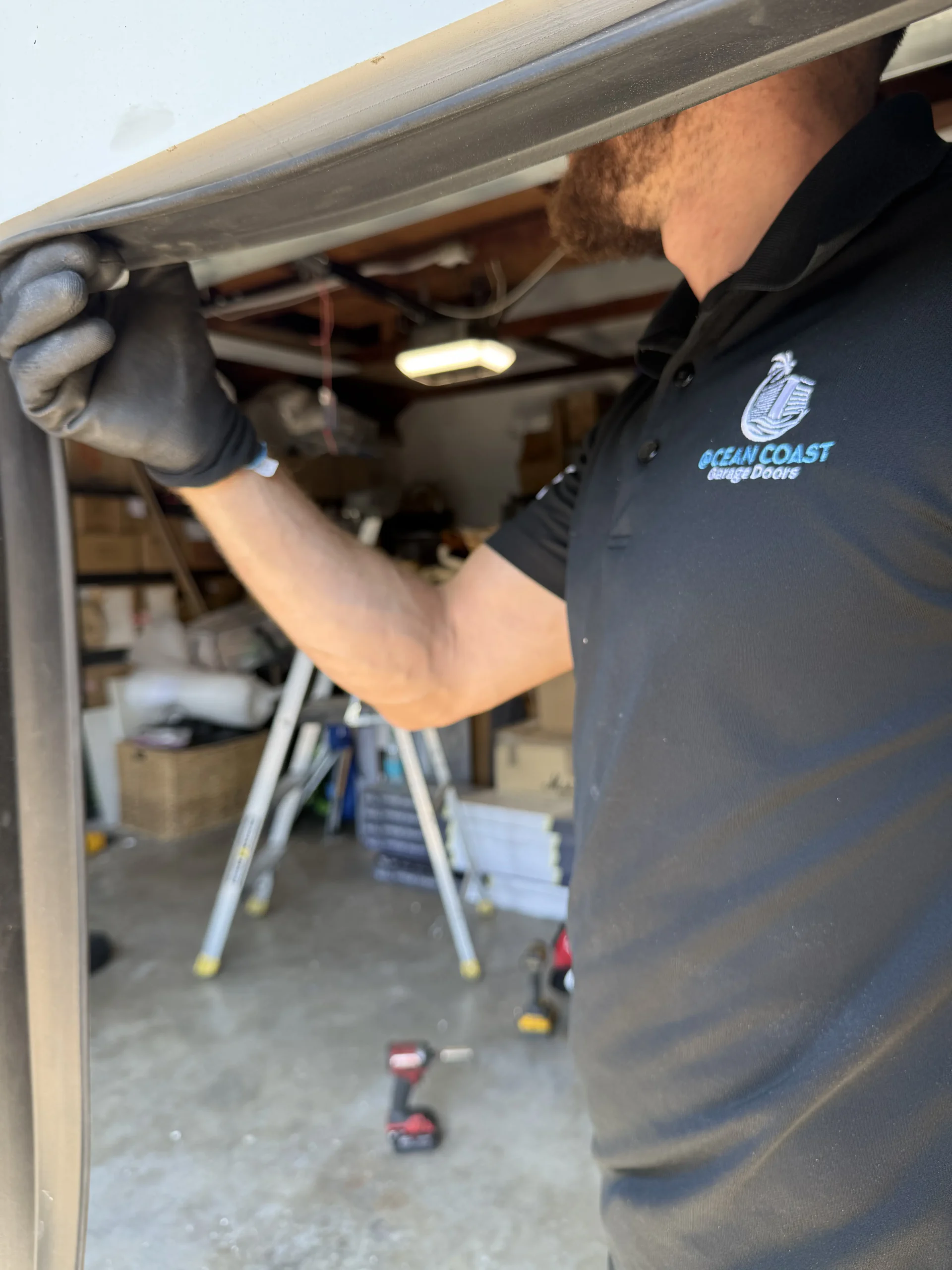
Schedule Professional Inspections When Needed
When squeaking persists or becomes louder over time, a professional garage door service and repair inspection may help identify the cause.
During a full inspection, a technician may evaluate:
- Roller condition
- Spring tension and balance
- Hinge wear
- Track alignment
- Overall system operation
Professional inspections help ensure the garage door system remains safe, reliable, and properly balanced.
What Garage Door Squeaking When Opening May Indicate
A garage door squeaking when opening often means some components need attention. Common causes include lack of lubrication, worn rollers, loose hardware, aging hinges, or spring tension changes.
In Irvine, CA, where garage doors are used frequently, normal wear can develop faster. Regular inspections and maintenance help reduce noise and keep the system operating smoothly.
If squeaking continues, checking key components may help determine whether lubrication, adjustments, repairs, or garage doors replacement and installation may be necessary. Proper maintenance helps ensure quiet, safe, and reliable garage door performance.
Professional Garage Door Inspection and Maintenance in Irvine, CA
For homeowners in Irvine who want a quieter and more reliable garage door system, Ocean Coast Garage Doors provides professional inspections, maintenance, and garage door services designed to keep systems operating smoothly. Experienced technicians can evaluate the condition of key components and recommend the most practical solutions. Contact us today or give us a call to schedule a garage door inspection and keep your system running safely and quietly.
Frequently Asked Questions
Is a squeaking garage door a serious problem?
Not always. In many cases, squeaking simply means the door needs maintenance. However, persistent noise may indicate worn components that should be inspected. According to Handyman Connection, ongoing garage door noises can sometimes signal underlying issues that may require professional evaluation.
Which garage door parts usually cause squeaking noises?
The most common sources include rollers, hinges, springs, and bearings. These components move frequently and can produce noise when they become dry or worn.
Can the weather in Irvine, CA, affect garage door squeaking?
Yes. Coastal moisture, dust, and temperature changes in Irvine can affect metal components over time, which may contribute to friction and squeaking sounds.
How often should garage door maintenance be done to prevent squeaking?
Most garage door systems benefit from maintenance at least once a year. Homes that use the garage as the main entry point may benefit from more frequent inspections.
Do old garage doors squeak more than newer ones?
Older garage door systems are more likely to squeak because components such as rollers, hinges, and springs may experience wear after years of use.
Can worn garage door rollers cause squeaking?
Yes. Worn or outdated rollers can create friction along the tracks, which often results in squeaking or rough door movement.
Should squeaking garage door springs be inspected?
Yes. Springs operate under high tension and may produce noise when they start to wear out. A professional inspection can help determine if the springs are still functioning safely.
Does regular lubrication help prevent garage door squeaking?
Proper lubrication of moving parts is one of the most effective ways to reduce friction and keep a garage door operating quietly.
When should a professional garage door inspection be considered?
A professional inspection is recommended if squeaking continues after maintenance, becomes louder, or is accompanied by uneven or slow door movement.


