
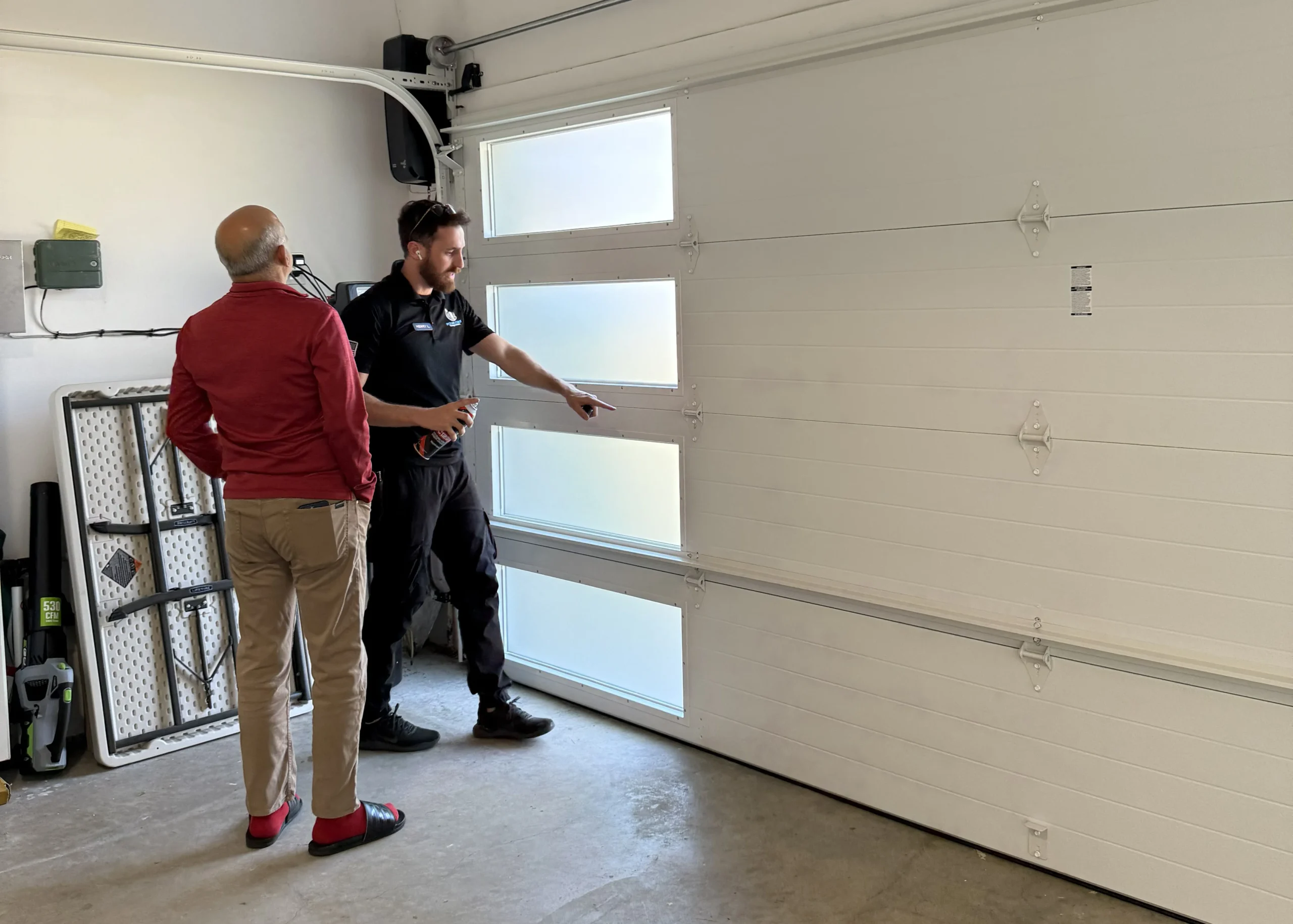
Does your garage door squeak, grind, or groan when it opens or closes? Those sounds often signal rising friction in the system, and that friction can wear down key parts faster than expected. Garage door lubrication service is one of the most valuable steps in garage door maintenance because it helps moving parts operate more smoothly, reduces noise, and supports steadier door travel.
Knowing which parts need lubrication and which areas should be cleaned and inspected instead helps homeowners avoid common mistakes that can lead to buildup or uneven movement. When lubrication is applied to the correct locations at the right intervals, the opener experiences less strain and the system is more likely to stay reliable. The ideal schedule may vary based on usage, door age, and local conditions, but consistent checking and proper lubrication support long-term performance.
Understanding Garage Door Maintenance and Lubrication Needs
Garage door preventive maintenance means taking action before a minor concern becomes a larger repair need. With routine checking, homeowners can keep the system operating smoothly and reduce the chance of a surprise repair that interrupts daily access. Starting early, right after installation or when moving into a home with an existing door, helps you build a steady maintenance routine that supports long-term performance through experienced garage door services.
Lubrication is a core part of that routine. Garage door lubrication service reduces friction at key moving points so parts move more consistently, and the opener isn’t forced to work harder than necessary. When the right lubricant is applied to the correct parts, it supports quieter operation, steadier door travel, and longer-lasting parts. Addressing minor issues through combined regular inspection and lubrication helps keep the system safe, reliable, and ready for everyday use.
If you’re planning your schedule, read “When Should You Start Garage Door Preventive Maintenance?” to build a simple routine that stays consistent year-round.
Why Lubrication Is Essential for Smooth Garage Door Operation
Garage door moving parts deal with friction every time the door cycles. Hinges, roller bearings, bearing plates, and spring coils all rely on controlled movement, and metal-to-metal contact increases quickly when lubrication is overdue. Without proper lubrication, friction creates heat and accelerates wear, which can lead to louder operation, rough door travel, and earlier repair needs.
When the right lubricant is applied to the correct points, the door can move with less resistance. That often means quieter operation, steadier movement, and less strain on the garage door opener during lifting and lowering. Over time, reducing friction supports longer-lasting parts and more consistent performance.
Lubrication is a simple but effective way to protect the system. By keeping key moving areas properly lubricated and pairing that with routine checking, homeowners can reduce premature wear and support safe, reliable operation for the long term.
How Garage Door Lubrication Fits Into Preventive Maintenance
A strong garage door preventive maintenance plan includes a few core maintenance tasks, and garage door lubrication service should be near the top of that list. Lubrication helps the system operate smoothly by reducing friction at key moving points. Without it, parts can begin wearing faster, and small performance changes can develop into a repair need.
When lubrication is added to a yearly or twice-yearly maintenance schedule, it helps address minor concerns early. Friction isn’t only a noise issue; it can gradually wear rollers, hinges, bearings, and spring coils. Handling lubrication on a consistent schedule supports steadier door travel and helps the opener avoid unnecessary strain.
During a professional annual garage door inspection, our expert team ensures that a technician typically performs lubrication along with other important checking steps. That combined approach helps ensure each part is inspected, serviced appropriately, and kept in reliable operating condition.
Key Parts That Typically Need Garage Door Lubrication
Your garage door relies on multiple moving parts working together every time it opens and closes. To keep door travel smooth and reduce friction, lubrication should be applied to the parts that pivot, rotate, or experience metal-to-metal contact during operation.
The most common lubrication points include hinges between door panels, roller bearing areas, and the springs that support lifting. Even with a new garage door installation, lubrication does not last forever. Over time, it wears away, and friction increases. With routine checking and simple garage door maintenance habits, homeowners can help these parts operate more consistently and reduce the chance of an unexpected repair.
Moving Parts That Depend on Proper Lubrication
A garage door system has several moving parts that need proper lubrication to operate smoothly and reduce wear. Each time the door cycles, these parts support weight, rotate, and make contact at key points. When lubrication is overdue, friction increases and can lead to loud operation, rough door travel, and a higher chance of a repair need, including lifting cable repair concerns if wear spreads to high-tension areas.
Start by identifying where metal-to-metal movement happens. Those contact points are often where noise begins and where wear accelerates first. Routine checking helps you spot dryness, residue, or early wear so a technician can address it before performance drops.
Common parts that typically need lubrication include:
- Hinges: The pivot points that connect door panels
- Rollers: The bearing areas (especially on metal rollers), not the track surface
- Torsion springs: The spring coils above the door that support lifting
- Garage door opener drive system: Depending on the opener type, the chain or screw drive may require lubrication per manufacturer guidance
Keeping these moving parts properly lubricated helps the system operate more quietly, reduces friction-related wear, and supports reliable day-to-day performance.
Common Signs That Indicate Lubrication Is Needed
Your garage door often gives clear warning signals when lubrication is overdue. Paying attention to sound and movement helps homeowners catch potential issues and early concerns before they turn into a bigger repair need. Unusual noises are one of the most common signs that friction is rising and moving parts are no longer operating smoothly.
These sounds often happen when dry metal areas rub together at hinges, roller bearing points, or spring coils. Garage door lubrication service can reduce noise in many cases, but some sounds may also indicate worn parts that require professional checking. If you notice noise along with rough door travel, don’t ignore it.
Watch for these warning signs:
- Squeaking or screeching during door travel
- Grinding or scraping sounds near the track area or opener
- Loud banging that may signal spring or panel concerns
- Jerky, uneven, or slow movement instead of smooth operation
If any of these symptoms appear, it’s a smart time to schedule an inspection so a technician can confirm whether lubrication is enough or whether repair is needed.
For a clearer breakdown of performance red flags, read “What Are the Signs You Need a Garage Door Tune-Up?”
How to Start Garage Door Lubrication Safely in Irvine, California
Staying consistent with routine garage door maintenance can feel rewarding, but it’s important to know what’s safe for a homeowner to handle. Light tasks like wiping grime near the garage door tracks and doing basic checking are usually manageable. Lubrication, however, requires more care because using the wrong product or applying it to the wrong areas can create buildup, attract debris, or mask signs of worn parts that need repair.
Many homeowners want to understand the basics, even if they plan to schedule garage door lubrication service with a professional service technician. That’s a smart approach: you’ll know what proper lubrication involves and what a professional should be checking. For the safest results, a trained technician can apply garage-door-rated lubricant in the correct locations, inspect high-tension parts, and confirm the door is operating smoothly and safely.
Tools and Supplies Required for Effective Lubrication
To handle garage door lubrication correctly, you need the right supplies from the start. Using the wrong product can leave residue, attract debris, or lead to damaged parts over time. That’s why choosing garage-door-rated lubrication products is one of the most important garage door maintenance habits to follow.
The key item is the correct lubricant. Avoid household sprays like WD-40 because they are not designed for long-term garage door lubrication and can pull in dust after reducing existing residue. A trained technician typically uses garage-door-rated silicone or white lithium spray designed for hinges, roller bearing areas, and other moving points. With the right supplies, you can support safer, cleaner applications and clearer checking.
For garage door lubrication, gather:
- A garage-door-rated silicone or white lithium spray
- A clean, dry cloth for wiping excess residue
- A sturdy step ladder for safe access to higher areas
- Safety glasses to protect your eyes from spray or drips
These items help you complete basic lubrication-related maintenance more safely and support smoother operation over time.
Safety Precautions Before You Begin
Safety should always come first during garage door maintenance. The system includes heavy moving parts, including garage door springs, and high-tension areas that can cause serious injury if handled incorrectly. Before doing any checking or lubrication, understand the risks and keep your role limited to safe, basic tasks.
Start by disconnecting power to the garage door opener by unplugging it. This prevents unexpected movement while you’re near the door. Keep hands away from rollers, hinges, and pinch points during operation, and never attempt to work on torsion springs or lifting cables. Those high-tension parts require a trained technician and proper tools.
Use these safety steps each time:
- Disconnect the garage door opener from the power source
- Wear safety glasses and work gloves
- Keep hands and tools away from moving parts during door travel
- Do not attempt to adjust torsion springs or lifting cables; schedule a technician for any high-tension repair
How to Lubricate Essential Garage Door Parts
Applying lubricant correctly matters as much as knowing which parts need it. The goal is controlled lubrication that reduces friction without leaving heavy residue that can collect debris. Because garage door systems vary by door style, roller type, and opener type, lubrication should stay targeted and conservative, with an emphasis on safe checking before and after application.
Hinges and roller bearing areas are common locations where lubrication helps support smoother door travel and quieter operation. The track surface, however, is usually cleaned and inspected rather than lubricated, since residue can attract debris and interfere with consistent roller travel. Springs and lifting cables should always be treated as high-tension parts; a trained technician should handle any adjustment or repair in these areas.
Opener lubrication needs depend on the drive type. Some opener designs may require lubrication in specific locations, while others are designed to run without it. If you’re uncertain about the opener type or you notice continued noise, hesitation, or rough movement, schedule professional checking so the technician can confirm whether lubrication is appropriate or whether a repair is needed.
For a step-by-step walkthrough that reinforces lubricating rollers (bearings) while avoiding the track surface, see Today’s Homeowner’s guide.
How Often Should You Schedule a Garage Door Lubrication Service?
Scheduling garage door lubrication service as part of a regular lubrication maintenance routine helps support long-term performance and smoother operation. The right frequency can vary based on several factors, including the age of the garage door, how often it cycles each day, and local weather conditions. Doors that are used frequently or exposed to changing temperatures may experience friction sooner and require closer attention.
In many homes, lubrication is handled during an annual garage door inspection or garage door tune-up. To discover effective garage door maintenance tips, older systems or doors exposed to coastal air, heat, or seasonal changes may benefit from more frequent checking. Rather than waiting for noise, rough door travel, or opener strain to appear, scheduling lubrication early helps reduce wear on moving parts and lowers the chance of an unexpected repair. Regular garage door maintenance keeps the system operating more consistently and helps protect the door over time.
If you’re wondering what a visit actually includes time-wise, read “How Long Does an Annual Garage Door Inspection Take?”
Recommended Maintenance Frequency for Irvine, California Homes
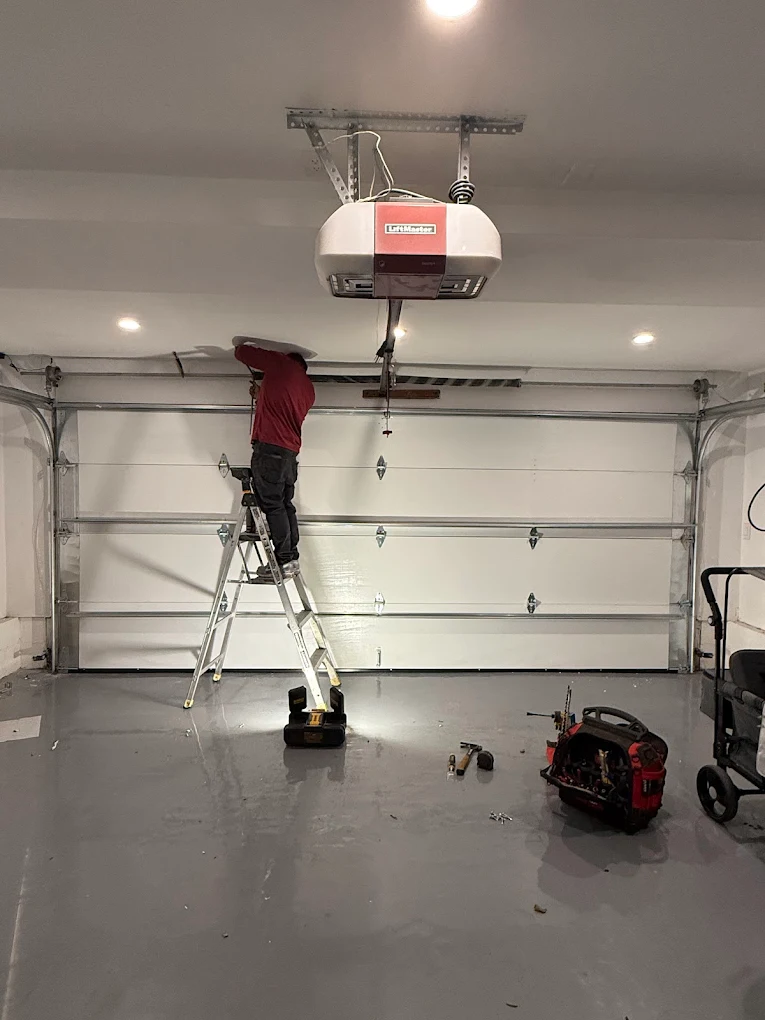
For many Irvine homes, scheduling a full garage door lubrication service at least once per year is a solid baseline to avoid potential garage door problems. However, coastal conditions can accelerate corrosion and wear on metal parts, so many homeowners choose professional maintenance twice per year, often in spring and fall. This timing supports seasonal checking, helps clear grime buildup, and keeps moving parts operating more consistently.
A professional annual garage door inspection commonly includes lubrication as part of a broader maintenance process, including safety testing and door balance checking to ensure proper garage door upkeep. The right schedule can vary based on door age, usage, and condition.
| Component | Recommended Lubrication Frequency |
| Hinges and Rollers | Every 6 months |
| Torsion Springs | Annually |
| Opener Chain/Screw | Annually |
| Visual Inspection | Monthly |
Factors That Can Influence Lubrication Schedules
An annual garage door inspection is a strong starting point, but some situations call for more frequent checking and lubrication. Paying attention to how the door operates helps homeowners schedule maintenance before friction and wear lead to costly repairs or other issues. When early wear is identified, it’s easier to address it before it affects door travel, opener performance, or safety.
Location and usage are two of the biggest factors. In Irvine, homes closer to the coast may deal with more salt in the air, which can accelerate corrosion on metal parts. Heavy daily use also increases wear, especially when the garage is the primary entry point, and the door cycles many times per day. Door age matters as well; older systems often need closer attention to keep parts operating smoothly.
Consider these factors when planning lubrication frequency:
- High usage: Doors that cycle frequently may need checking more often than once per year
- Climate: Salty air or dusty conditions can accelerate wear and increase lubrication needs
- Age of the door: Older doors may require more frequent inspection to reduce wear-related repair
- Unusual noises: Squeaking, grinding, or scraping is a sign to schedule checking sooner rather than waiting for the next routine visit
Knowing which parts need garage door lubrication service helps homeowners support smoother door travel and reduce friction-related wear. When hinges, roller bearing areas, and springs are lubricated correctly and paired with routine checking, the system is more likely to run quietly and consistently. A steady maintenance schedule also helps you spot early signs of wear so repair can be handled before performance drops.
At Ocean Coast Garage Doors, our technicians provide careful inspection, safe service around high-tension parts, and maintenance tailored to your door’s condition and usage. If your door has become noisy or you want lubrication included in your preventive maintenance plan, contact us or give us a call to schedule service.
Frequently Asked Questions
What can happen if garage door lubrication service is skipped?
When lubrication is overdue, friction rises, and parts can wear faster. Homeowners may notice louder operation, rough door travel, and added strain on the garage door opener. Over time, these conditions can lead to a repair need.
Can I use any lubricant for garage door parts?
It’s best to use a garage-door-rated lubricant, commonly silicone-based or white lithium. General household sprays are not designed for garage door lubrication and may not provide the same long-lasting results on moving parts. Manufacturer guidance often recommends a small amount of white lithium-based lubricant for key moving parts such as rollers, bearings, and hinges.
How much does professional garage door lubrication service cost?
It depends and may vary based on door type, condition, and whether additional repair work is needed. A technician can inspect the system and explain the scope of service before work begins.
What does basic garage door maintenance include?
Basic maintenance usually includes visual checking of parts, tightening standard hardware when appropriate, testing safety features like auto-reverse and photo-eye sensors, cleaning debris around the track area, and applying lubrication to designated moving points.
How often should I schedule maintenance for my garage door?
Many homeowners schedule professional maintenance at least once per year. Doors with heavy daily use, older parts, or exposure to coastal conditions may benefit from more frequent checking.
Which garage door parts typically receive lubrication during service?
Common lubrication points include hinge pivot points, roller bearing areas, bearing plates, and sometimes springs. Opener lubrication needs depend on the opener type. A technician will confirm the correct locations based on your door’s parts.
What signs indicate repair is needed instead of routine maintenance?
Signs that often require garage door repair include gaps in springs, frayed lifting cables, the door coming off track, severe opener strain, or the motor running while the door doesn’t move. These concerns should be inspected by a trained technician.
Do nylon rollers need lubrication?
Some nylon rollers have sealed bearings and require little to no lubrication, while others have bearing areas that may benefit from proper lubrication. A technician can confirm the roller type and the correct approach.
What indicates that the lubricant was applied incorrectly or in excess?
Excess residue, dripping lubricant, debris buildup near moving points, and new rough door travel can indicate over-application or lubrication in the wrong area. If performance changes after lubrication, schedule professional checking to confirm safe operation.


