
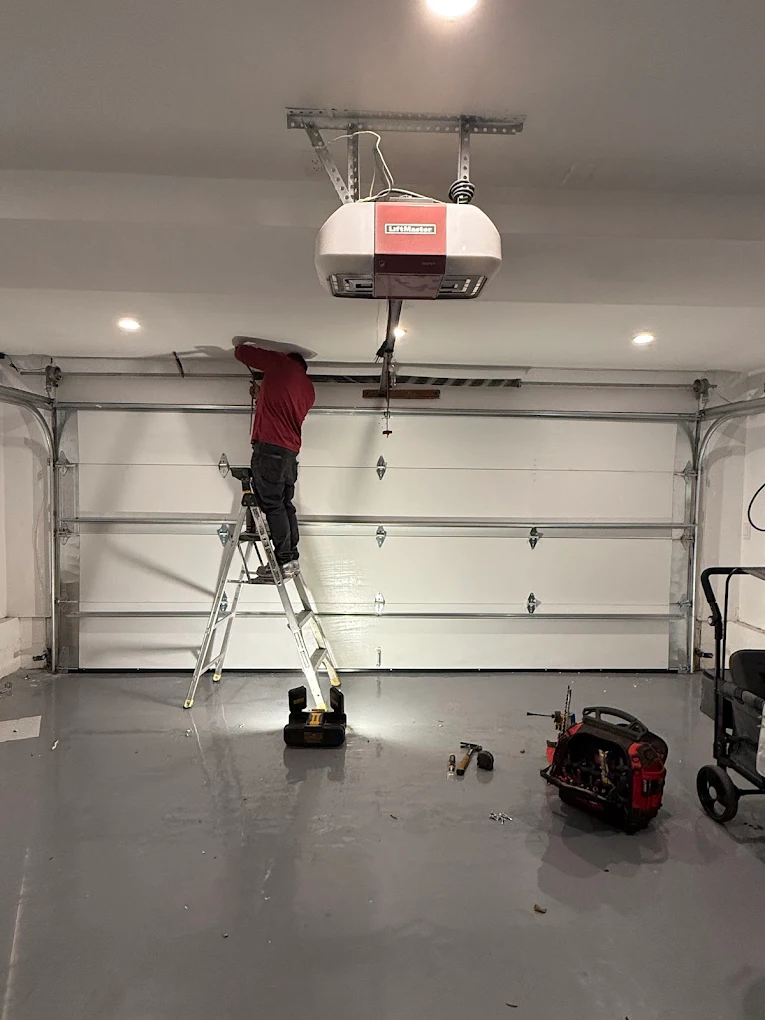
Are you wondering how much time you need to set aside for an annual garage door inspection? The good news is that the appointment is usually short and well-organized. In many homes, a trained technician can complete a full inspection in under an hour, checking key components such as door panels, rollers, hinges, springs, lifting cables, tracks, and the garage door opener.
Scheduling this small block of time for garage door maintenance helps homeowners stay ahead of wear that can develop quietly over daily use. An inspection also supports safer operation by confirming door balance, testing safety features, and identifying early issues that could lead to later repairs. While the exact duration may vary based on door size, condition, and usage, most inspections are designed to be efficient without skipping necessary checking steps.
Understanding the Importance of Annual Garage Door Inspections
Regular garage door maintenance supports safer operation and helps homeowners stay ahead of wear. When a trained technician completes an annual garage door inspection, small concerns can be identified early, before they lead to more disruptive repair needs. This reduces the chance of sudden issues that interrupt daily access and require urgent service.
During the inspection, the technician checks the full system, including door panels, rollers, hinges, tracks, springs, lifting cables, and the garage door opener. They confirm that parts are operating correctly, inspect for wear, and test key safety features. This kind of preventive maintenance can help you plan service on your schedule instead of dealing with an unexpected cable repair or other urgent repair. Service needs can vary based on door condition, usage, and environment, but yearly checking is a strong baseline for most homes.
If you’re building a routine and want to know when to begin, read When Should You Start Garage Door Preventive Maintenance?
How Routine Maintenance Supports Reliable Door Performance
Your garage door system is one of the largest moving systems in your home, so reliable operation matters every day. Routine garage door maintenance helps the system run smoothly, supports safer operation, and can help parts last longer. When homeowners schedule professional checking at least once per year, often as part of an annual garage door inspection of their garage door system, it becomes easier to stay ahead of wear before it causes door travel issues or opener strain.
One of the biggest benefits of consistent maintenance is catching small concerns early. A trained technician can inspect moving parts, identify early wear, and recommend repair steps before a minor issue spreads to other parts. Handling these concerns sooner can help reduce unexpected breakdowns and keep the door operating more consistently over time.
How Inspections Prevent Long-Term Problems
It’s always easier to reduce problems before they grow than to deal with a major repair later. Regular garage door maintenance and annual garage door inspection visits allow a technician to spot early wear that can turn into bigger concerns over time. For example, if a garage door spring begins weakening, professional checking can identify it before it becomes a broken spring that leaves the door stuck and interrupts daily access.
Inspections also help protect the garage door opener from unnecessary strain. Misalignment in the track area, worn rollers, or door balance issues can force the opener to work harder each cycle. Over time, that extra strain can shorten the opener’s lifespan and increase the chance of a more involved repair. A thorough annual inspection helps uncover these issues early so adjustments and repair steps can be handled before performance drops further.
Overall, the goal of inspection is to reduce the likelihood of urgent repair situations. By checking alignment, hardware condition, door balance, and safety features, a technician helps keep the system operating smoothly, safely, and reliably for years.
If you want a clear checklist of warning signs that often lead homeowners to schedule service, read What Are the Signs You Need a Garage Door Tune-Up?
What Does an Annual Garage Door Inspection Involve?
An annual garage door inspection reviews the full system from top to bottom. A trained technician follows a checklist to inspect each part, confirming that moving parts and standard hardware are operating as intended. This includes checking door panels, hinges, rollers, track condition, springs, lifting cables, and the garage door opener.
During the inspection, the technician completes a visual review, checks door travel for smooth, even movement, and tests opener performance and safety features. The goal is to identify wear or damage early so repair can be handled before the system becomes unreliable. A thorough inspection supports safer operation, steadier movement, and fewer unexpected issues over time. Below are the typical steps a professional follows during the process.
JourneymanHQ outlines essential garage door maintenance practices that support long-term reliability and help identify issues early before they become costly repairs.
Key Components Checked During a Garage Door Tune-Up
During a professional tune-up, the technician checks the essential garage door parts that support safe lifting and lowering. These moving parts experience daily wear and tear, and regular inspection helps confirm the system is operating correctly and safely.
The inspection typically includes reviewing door panels for visible damage, confirming hardware is secure, and evaluating high-tension areas for signs of wear that homeowners should not handle themselves. This detailed process helps identify concerns early so repair can be scheduled before performance drops.
A thorough check often includes:
- Torsion springs to inspect for corrosion and visible gaps
- Garage door rollers to check for cracks or heavy wear
- Lifting cables to spot fraying or thinning strands
- Hinges and brackets to confirm secure attachment and stable alignment
This level of checking helps keep the door, panels, and moving parts operating smoothly and supports safer, more reliable daily use.
Safety and Functionality Assessments
Safety checking is a key part of every professional annual garage door inspection. The garage door opener includes built-in safety features designed to reduce accidents, and a technician will test them carefully. This includes confirming that the auto-reverse function responds correctly so the door reverses immediately when it encounters resistance. Photo-eye sensors are also checked to confirm they detect obstructions and stop door travel as expected.
Door balance is another major focus because it affects both safety and performance. Springs should support the door so it can stay in place when lifted halfway after the opener is disconnected. If the door won’t hold position or drops quickly, the opener may be forced to work harder, increasing wear and the chance of a future repair.
Track condition is also assessed during the visit. The technician checks that tracks are straight, secure, and free from bending that can cause rough movement or increase the risk of the door coming off track. By checking opener safety features, spring performance, and track alignment, the inspection helps keep the system operating smoothly and safely for everyday use.
Preparing for Your Annual Garage Door Inspection
Preparing for an annual garage door inspection is simple, and it helps the technician complete the visit more efficiently. The main goal is to provide clear access to the garage door and key areas like the garage door opener, track area, and the spaces near springs and lifting cables. When those areas are easy to reach, the technician can focus on detailed checking instead of working around obstacles.
You won’t need tools or special equipment for prep, but a few small steps can help the appointment go smoothly. This also makes it easier for the technician to inspect for any repair needs and complete garage door lubrication service where appropriate as part of regular maintenance. Here are practical steps you can take before the visit so everything is ready.
How to Get Ready Before the Technician Arrives
When you schedule professional garage door maintenance, you don’t need to gather tools or supplies. The technician will arrive with what’s needed to complete checking, complete a tune-up if appropriate, and perform garage door lubrication service using garage-door-rated products. Your main role is simply making the area accessible so the inspection can stay focused and efficient.
Before the appointment, observe how the door operates through a full open-and-close cycle. Pay attention to unusual sounds, uneven door travel, or opener hesitation. Make a short note of what you notice so you can share it during the visit. Clear observations help the technician narrow down what to inspect more closely and identify whether any repair is needed.
To help the inspection go smoothly:
- Clear space near the garage door by moving vehicles, stored items, and anything blocking access
- Make sure the wall control, photo-eye sensors, and the garage door opener area are easy to reach
- Be ready to describe any concerns you’ve noticed during operation
How to Choose the Right Professional in Irvine, CA
Selecting the right professional in Irvine, CA, helps ensure your garage door receives safe, thorough care. While homeowners can handle basic checking, annual garage door inspection and tune-up work should be completed by a trained technician because springs and lifting cables operate under high tension.
Focus on providers with a strong local reputation, consistently positive reviews, and clear credentials in garage door installation. A reliable garage door services provider should be licensed, bonded, and insured. It also helps when technicians have experience across different door styles and opener types, from routine repair to full installation. When comparing options, use the factors below to choose a dependable expert.
| Feature | What to Look For |
| Credentials | Licensed, bonded, and insured for your protection. |
| Experience | A history of providing a wide range of garage door services. |
| Reviews | Positive feedback from other local homeowners. |
| Professionalism | Certified technicians who are courteous and knowledgeable. |
What Happens During the Inspection
During a standard annual garage door inspection, the service technician follows a detailed checklist step by step. The visit usually starts with a close visual inspection of the garage door, door panels, and hardware. From there, the technician evaluates how the garage door opener performs, including how smoothly it starts, how consistently it moves the door, and whether the system responds correctly throughout door travel.
Next, the technician checks track alignment, confirms door balance, and completes garage door lubrication service on the correct moving areas, including the garage door tracks. This process helps identify common issues caused by missed maintenance, such as unusual noises, rough movement, or slower operation. By finding wear early and confirming safety features work correctly, the inspection supports reliable performance and can help reduce the chance of a larger repair later.
Visual Assessment of Garage Door Panels and Hardware
A professional inspection typically begins with a careful visual review of the door itself. The technician inspects door panels for dents, corrosion, warping, or other visible damage that can affect door travel and sealing. Panel damage can also lead to uneven movement, which increases strain on other parts over time, so early checking is important.
Next, the technician inspects visible hardware such as hinges, brackets, and standard fasteners. They watch for wear and confirm nothing has loosened from daily vibration. When needed, the technician tightens standard hardware to reduce rattling and support steadier operation. This early assessment helps determine whether the system needs minor adjustment, routine garage door maintenance, or a more specific repair to restore safe, reliable performance.

Testing Springs, Rollers, and Cables
After the visual review, the technician checks how well the key moving parts are operating. Springs do the heaviest work during every cycle, so they’re assessed closely. With torsion springs, the technician checks for corrosion and visible gaps that may indicate a spring concern. A door balance test is also completed to confirm that the springs are providing proper support and the door isn’t placing extra strain on the opener.
Next, rollers are inspected because they guide door travel along the track area. The technician checks for cracks, chips, or heavy wear that can create noise and lead to rough movement. Lifting cables are also inspected for fraying or thinning strands. Because cables operate under significant tension, damaged cables are a serious safety concern and often require timely repair to keep operations stable and controlled.
These parts are essential to safe performance, and they should be handled only by a trained technician. If wear is found, the technician can recommend repair or replacement before a failure interrupts operation.
Inspecting Tracks, Hinges, and Lubrication Needs
The inspection continues with detailed checking of the track area, hinges, and lubrication condition. The technician confirms tracks are aligned correctly and securely attached, then inspects for debris, dents, or shifting that can interrupt door travel. Even small alignment concerns can lead to sticking, rough movement, or an increased risk of the door coming off track.
Garage door lubrication service is also an important part of this step because it reduces friction and helps limit noise. The technician identifies which moving parts are designed for lubrication and applies garage-door-rated lubricant to the correct locations, such as hinges and roller bearings. This supports smoother operation and can help resolve common garage door problems, like strain on the garage door opener and other parts over time.
Key actions in this step include:
- Checking that tracks are straight and securely mounted
- Applying lubrication to hinges and roller bearing areas as needed
- Clearing debris or obstructions that can interfere with consistent door travel
To avoid lubricating the wrong areas and focus on the parts that benefit most, read Which Parts Need a Garage Door Lubrication Service?
Evaluating Garage Door Opener and Auto-Reverse Features
The final part of an annual garage door inspection focuses on the garage door opener and its safety performance. The technician runs the opener through a full cycle and listens for unusual motor sounds that can signal wear. They also inspect the drive system, belt or chain, along with mounting points and connection hardware to confirm everything is secure and operating smoothly.
Safety checking is a major priority during this step. The technician tests the auto-reverse function by placing a solid object, such as a wood block, in the door’s path and confirming the door reverses immediately on contact. Photo-eye sensors are also tested by interrupting the sensor beam during closing to verify that the door stops and reverses right away. If either feature fails, it’s a serious safety concern and should be addressed quickly with professional repair so the system continues protecting your household.
Knowing how long an annual garage door inspection takes makes it easier for homeowners to plan preventive maintenance without disrupting their day. A yearly inspection supports safer operation by confirming door balance, checking high-tension parts, testing opener safety features, and identifying wear early. When concerns are handled sooner, the system is more likely to operate smoothly, and you can reduce the chance of an urgent repair later. Service needs can vary based on door condition, usage, and environment, but the appointment is typically efficient and structured.
At Ocean Coast Garage Doors, our technicians provide thorough checking, clear explanations, and safe service around high-tension systems so your door stays reliable in Irvine, CA. If you want to schedule your annual inspection or have questions about what the visit includes, contact us or give us a call.
Frequently Asked Questions
What types of issues can regular inspections help reduce?
Regular inspections help identify early wear, door balance concerns, track alignment issues, and opener strain. By catching these concerns early, homeowners can reduce the chance of a sudden breakdown and limit the need for more involved repair later.
Can homeowners inspect a garage door themselves, or is a professional required?
Homeowners can perform basic visual checking and listen for changes in operation. However, annual inspections should be completed by a trained technician. High-tension parts such as springs and lifting cables require professional handling to reduce safety risks.
How does Irvine’s climate affect garage door maintenance needs?
Irvine’s heat, sun exposure, and coastal air can contribute to faster wear on metal parts. Temperature changes can affect door balance, and salt in the air may increase corrosion risk. Regular maintenance and inspection help address these environmental factors.
What are the core steps in routine garage door maintenance?
Routine maintenance typically includes inspecting visible parts, checking door balance, testing opener safety features, tightening standard hardware, and applying proper lubrication to designated moving parts. These steps support smooth and reliable operation.
Which garage door parts usually require lubrication?
Lubrication is commonly applied to hinges, roller bearing areas, bearing plates, and other moving points designed for it. Springs may also receive light lubrication when appropriate. Track surfaces should remain clean rather than heavily lubricated.
How can I tell when maintenance is no longer enough, and repair is needed?
If you notice frayed lifting cables, gaps in springs, the door coming off track, or the opener struggling to move the door, professional emergency garage door repair is usually required. These conditions go beyond routine maintenance and should be addressed promptly.
What safety steps should be followed during any garage door checking?
Always disconnect the power to the garage door opener before inspecting. Keep your hands away from moving areas and never attempt to adjust springs or lifting cables. High-tension parts should only be handled by a trained technician.
What does a professional look for during a full inspection?
A professional inspection includes reviewing door panels, checking track alignment, testing door balance, inspecting springs and lifting cables, evaluating rollers and hinges, and confirming opener safety features and responsiveness.
How often should an automatic garage door be professionally serviced?
Many homeowners schedule professional service at least once per year. Doors with heavy daily use or exposure to harsh conditions may benefit from more frequent checking. The ideal schedule can vary based on usage, door age, and environment. For an additional overview of maintenance frequency factors and what’s commonly checked, reference this Medium article on how often garage doors need maintenance.


