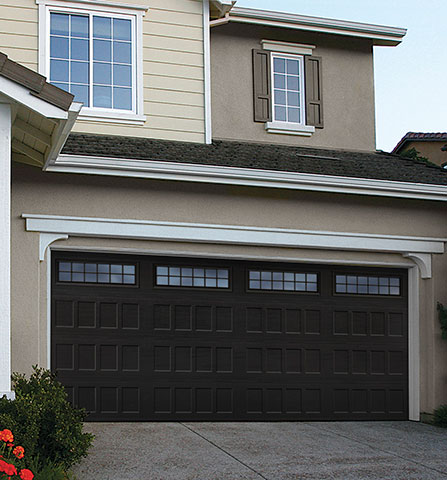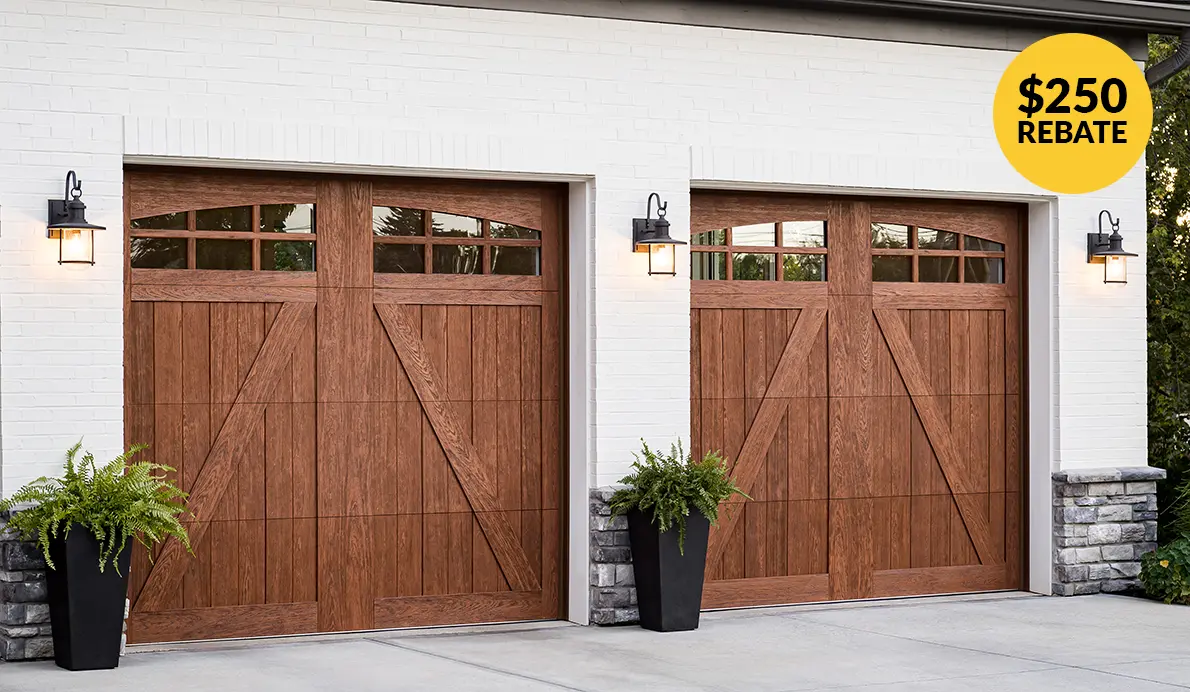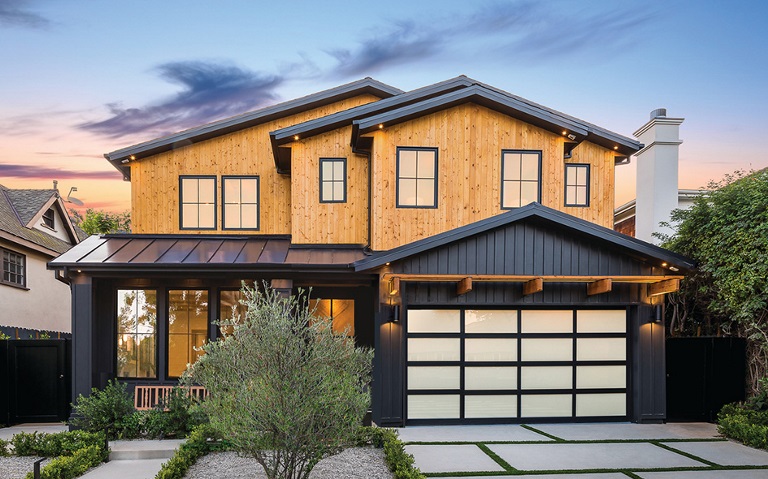
Most homeowners think about kitchens and bathrooms when it comes to home improvement return on investment. What often gets overlooked is the garage door, which covers a significant portion of your home’s front face and is one of the first things a buyer, neighbor, or appraiser notices when they pull up to your property and garage door service and repair.
The style of your garage door does more than set a visual tone. It signals how well the home has been maintained, how current the design is, and how much thought the homeowner put into the overall exterior. In a competitive real estate market like Irvine, CA, where curb appeal can directly influence offer prices and days on market, the right garage door style is not a minor detail. It is a measurable investment.
This guide breaks down exactly why garage door style affects your home’s value, what the research says, and how Irvine homeowners can make smart decisions that pay off.
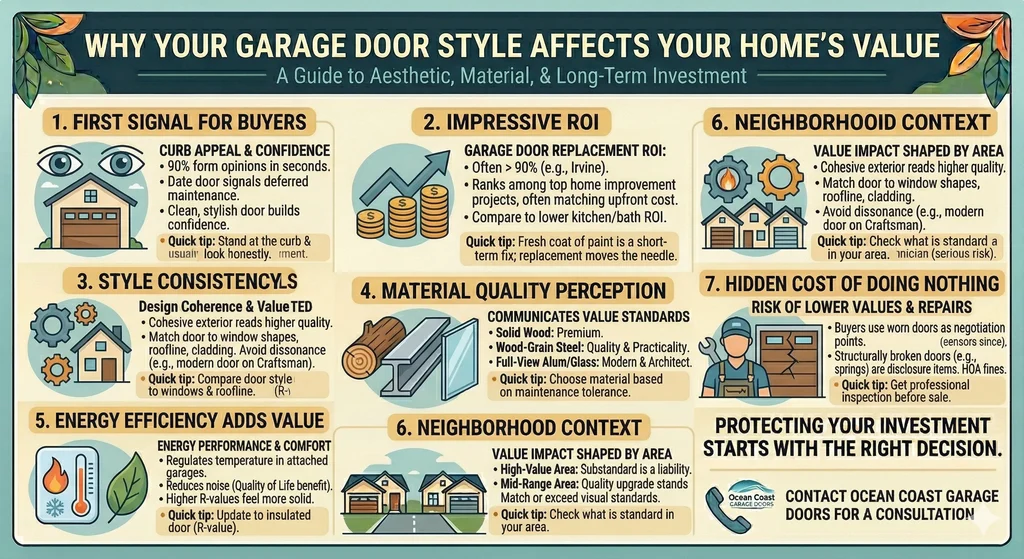
Curb Appeal Is the First Signal Buyers Read
Before a buyer steps through your front door, they’ve already formed an opinion about your home. Research consistently shows that first impressions happen within seconds of arriving at a property, and the garage door plays a major role because of how much visual space it takes up on the front of the house.
- First impressions happen fast: Buyers start judging your home the moment they see it from the curb.
- Garage doors dominate the facade: Because of their size, they heavily influence the overall look of your home.
- Outdated doors send negative signals: A faded, mismatched, or worn garage door can suggest poor maintenance, even if the interior is in great condition.
- Buyer perception affects pricing: That initial doubt can cause buyers to mentally lower their offer before even stepping inside.
- Well-maintained doors build trust: A clean, modern, and cared-for garage door signals pride of ownership and reassures buyers about the rest of the property.
What to check: Stand at the curb and look at your home honestly. Does the garage door complement the rest of the exterior or compete with it? Does it look current, or does it feel like a leftover from a previous decade? That gut reaction is exactly what buyers will experience.
For a full breakdown of the styles that tend to perform best from both an aesthetic and a value standpoint, What Are the Most Popular Garage Door Styles? covers every major option with detailed guidance on materials, finishes, and design fit.
What the Numbers Actually Say About Garage Door ROI
The data on garage door replacement is consistently strong. According to Remodeling Magazine’s annual Cost vs. Value report, garage door replacement regularly ranks among the top home improvement projects for return on investment, often returning more than 90 cents for every dollar spent.
- High return on investment: Garage door upgrades frequently recoup 90% or more of their cost.
- Outperforms major renovations: Projects like kitchen remodels and bathroom additions often deliver lower ROI compared to a garage door replacement.
- Near cost recovery: It’s one of the few upgrades where the added home value can closely match what you spent.
- Strong buyer impact: Because it improves curb appeal, it directly influences buyer interest and perceived value.
What to check: When evaluating ROI, consider not just the door itself but also the condition of surrounding elements like the driveway, garage trim, exterior lighting, and landscaping. A beautiful new door surrounded by cracked concrete or peeling paint will not deliver its full value potential.
Choosing the right design for maximum return often depends on planning ahead, and How to Choose the Right Garage Door Style for Your Home explains how to match style, material, and architecture for better ROI.
Style Consistency Signals a Well-Designed Home
One of the most underappreciated factors in home valuation is design coherence. A home where every exterior element feels intentional and coordinated tends to feel higher quality than one where styles clash, even if the individual features cost the same.
- Consistency elevates perceived value: Buyers respond positively to homes that feel visually unified and thoughtfully designed.
- Mismatched elements create doubt: Clashing styles can make a home feel pieced together rather than well planned.
- Garage doors play a key role: Because of their size, they can either reinforce or disrupt the overall architectural style.
- Design alignment matters: A modern glass garage door on a craftsman home, or a basic flat panel door on a Mediterranean-style property, creates visual tension buyers notice.
- Subtle impact, real consequences: Even if buyers can’t explain it, inconsistency can affect how they perceive quality and value.
What to check: Compare your garage door style to the window shapes, roofline details, and exterior cladding of your home. If they share similar proportions, materials, or design vocabulary, the exterior reads as cohesive. If they feel like they belong to different homes, that gap is worth addressing before listing.
Material Quality Communicates Long-Term Value
The material of your garage door tells a story about the quality standards of the home. Buyers and appraisers pay attention to whether what they see looks like it was built to last or built to a minimum standard.
Here is how common materials tend to read in terms of perceived value:
- Solid wood and custom wood: Signals premium quality and craftsmanship. Buyers associate wood doors with higher-end homes and are often willing to pay more for properties that feature them, provided they are well-maintained.
- Steel with wood-grain finish: Communicates quality and practicality. These doors look elevated without the maintenance vulnerability of real wood, which can actually be a selling point for buyers who value convenience.
- Full-view aluminum and glass: Projects a contemporary, architectural aesthetic that appeals strongly to buyers looking for modern design. Particularly effective in newer Irvine communities where modern and transitional architecture is common.
- Basic single-layer steel: Functional but underwhelming. If the rest of the home has been updated, a thin single-layer door can feel like a weak link that drags down the overall impression.
- Faded or damaged doors of any material: Regardless of original quality, visible deterioration communicates deferred maintenance. This raises concerns for buyers about what else in the home may have been neglected, especially when paired with poor garage door maintenance over time.
What to check: Compare your door’s current condition and material quality to the overall finish level of your home. If the rest of the exterior has been recently updated or is in excellent condition, a lower-quality door will stand out as inconsistent and may cost you in negotiations.
Quick tip: When choosing a material for a replacement door, think about what your target buyer values. In Irvine neighborhoods with strong modern architecture, aluminum and glass options often command stronger buyer reactions than traditional panel styles.
Energy Efficiency Adds Tangible and Perceived Value
Buyers today are more informed about energy performance than ever before. An insulated garage door isn’t just about comfort, it’s a feature that signals efficiency, quality, and thoughtful homeownership.
- Energy efficiency is a selling point: Buyers increasingly look for features that reduce energy costs and improve sustainability.
- Insulation improves temperature control: An insulated garage door helps regulate temperatures, especially in homes with attached garages.
- Reduces strain on HVAC systems: Better insulation means heating and cooling systems don’t have to work as hard.
- Noise reduction adds comfort: Insulated doors help block outside noise, which is especially noticeable in busier neighborhoods or near main roads.
- Feels more premium: Triple-layer, high R-value doors tend to operate more smoothly and feel sturdier, enhancing the overall impression during showings.
What to check: If your current door is a single-layer model, consider whether upgrading to an insulated replacement makes sense before listing. The added value in buyer perception often justifies the cost, particularly in the mid-to-upper price brackets where buyers have higher expectations for home performance.
Knowing the right time to make this kind of upgrade can be just as important as knowing which upgrade to make. When Should You Replace or Upgrade Your Garage Door? covers the key signals that tell you when acting sooner rather than later is the smarter financial move.
Neighborhood Context Shapes Value Impact
The value of a garage door upgrade isn’t the same everywhere, it depends heavily on what’s typical in your neighborhood. What counts as an upgrade in one area might be the bare minimum in another.
- Local standards set expectations: Buyers compare your home to nearby listings, not just in isolation.
- Higher-end areas demand quality: In premium neighborhoods, a dated or damaged garage door can actively reduce perceived value.
- Mid-range areas offer opportunity: A well-chosen upgrade can help your home stand out and attract more attention.
- Consistency matters in planned communities: In places like Irvine, where HOA guidelines and newer construction are common, exterior appearance plays a bigger role in buyer decisions.
- Falling below the norm is a drawback: A garage door that looks worse than neighboring homes becomes a negative comparison point.
What to check: Walk your street or neighborhood and observe the garage doors on comparable homes. What materials are most common? What styles dominate? What condition are they in? Understanding your neighborhood baseline tells you how much of an upgrade is needed to be competitive versus simply adequate.
The Hidden Cost of Doing Nothing
Homeowners sometimes underestimate the cost of leaving an outdated or deteriorating garage door in place. Beyond the missed opportunity for value gain, a poor door can actively work against you in several ways.
- Negotiation leverage for buyers: A worn door or unreliable opener gives buyers an easy reason to push for a lower offer.
- Signals deferred maintenance: Visible issues with the door or a noisy, inconsistent opener can raise broader concerns about how well the home has been cared for.
- HOA compliance risks: In managed communities, a non-compliant or visibly deteriorated door may lead to fines or forced replacement on a timeline you don’t control.
- Safety concerns become disclosures: Problems like broken springs, damaged panels, or malfunctioning openers can pose safety risks that must be disclosed during a sale.
- Outdated openers reduce appeal: Older garage door openers may lack modern features like quiet operation, battery backup, and smartphone control, features many buyers now expect.
- Function matters as much as looks: Even if the door looks acceptable, a slow, loud, or unreliable opener creates a negative impression during showings.
What to check: If your door has visible damage, operates inconsistently, or simply looks significantly older than the rest of your home’s exterior, get a professional inspection and estimate before deciding to leave it as is. The cost of a quality replacement is almost always less than the value it protects.
Neglecting visible wear or operational issues can create both safety and financial concerns, and garage door troubleshooting and maintenance issues show how minor problems can escalate when left unaddressed.

Protecting Your Investment Starts With the Right Decision
Your garage door is one of the most visible, highest-impact elements of your home’s exterior. Choosing the right style, material, and finish does not just improve how your home looks today. It protects and grows the value you have built over time. Whether you are preparing to sell, planning a long-term renovation, or simply want your home to represent its best version from the street, the garage door is one of the smartest places to focus your attention and budget.
Ocean Coast Garage Doors brings the expertise and local knowledge to help you make a decision that adds real, lasting value to your Irvine home. Contact us today or give us a call to schedule a consultation and find out which style and material make the most sense for your property and your goals.
Frequently Asked Questions
[sp_easyaccordion id=”3931″]