
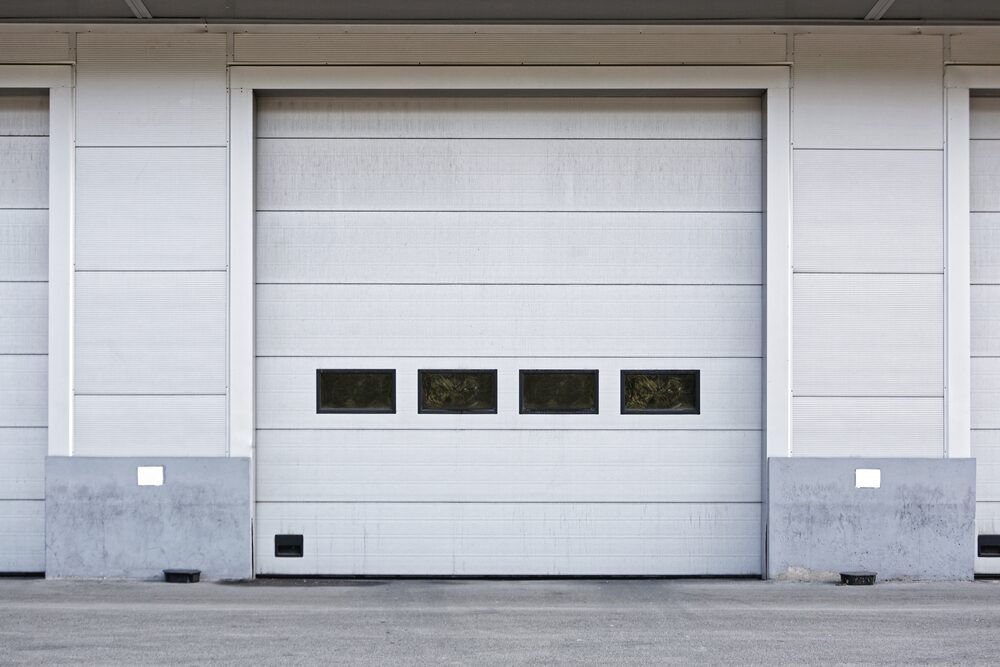
A garage door that stops halfway is frustrating, inconvenient, and more common than most homeowners in Irvine, CA, expect. One moment, the door is moving normally, and the next it just freezes mid-cycle with no clear explanation. The cause is not always obvious from the outside, but there is almost always a specific reason behind it, whether mechanical, electrical, or something as simple as a misaligned sensor.
Understanding the most common reasons this happens puts you in a much better position to act quickly. Some issues are easy to spot with a basic visual check, while others require a trained eye to diagnose safely. Either way, knowing what to look for helps you decide whether to monitor, adjust, or call a professional for garage door service and repair before it turns into a bigger and more costly problem.
Safety Sensors Are Blocking Your Garage Door Mid-Cycle
The two sensors near the base of your tracks send a beam across the opening, and any interruption stops the door immediately. Dirt, misalignment, or even strong afternoon sunlight can trigger a false stop even when nothing is actually in the way.
Signs Your Garage Door Sensors Need Cleaning or Realignment
- One sensor light is blinking, red, or off while the other is solid.
- The door stops while closing, but opens without issue.
- The door reverses on its own before fully closing with nothing blocking the path.
- The sensor lenses have visible dust, dirt, or moisture buildup on the housing.
Once you understand the cause, our guide on How to Repair a Garage Door That Stops Halfway Fast walks through what the repair process involves and what to expect from a professional service visit.
Worn or Broken Garage Door Springs Causing the Door to Stall
Springs counterbalance the full weight of your door so the opener does not carry the load alone. When a spring is worn or broken, the door becomes too heavy to complete a full cycle and stalls partway. According to the DASMA Safety Tips, springs are under extreme tension and should always be inspected and handled by a trained professional.
Warning Signs of a Failing Garage Door Spring
- A loud bang or snap from the garage, sometimes heard from inside the house.
- A visible gap or separation in the torsion spring coil above the door.
- The door feels extremely heavy when lifted manually with the opener disconnected.
- The door opens only a few inches before stalling completely.
Incorrect Limit Settings Stopping the Opener Too Early
Limit settings tell the opener exactly how far the door needs to travel to be fully open or closed. When those settings are off, the opener stops the door at the wrong point, thinking it has already reached its destination. This often happens after a new installation, a power surge, or a gradual drift over time.
How to Identify a Limit Setting Problem on Your Opener
- The door stops cleanly at the same spot every time with no grinding or resistance.
- The opener behaves normally, but the door simply does not travel far enough.
- The door reverses immediately after touching the ground instead of staying closed.
- Small adjustments to the limit screws change exactly where the door stops.
Bent, Dirty, or Misaligned Tracks Interrupting Door Movement
Tracks guide the rollers along the full path of the door. A bent section, built-up grease, or a track that has shifted out of alignment creates resistance that the opener reads as an obstruction and stops. According to The Spruce’s guide on troubleshooting common garage door problems, track issues are among the most overlooked causes of door malfunctions yet are visible with a basic inspection.
How to Spot Track Damage or Buildup Before It Gets Worse
- Feel along the inside edge of each track for dents, bends, or rough patches.
- Look for dark, sticky buildup of old lubricant and dirt along the track surface.
- Check whether the tracks are plumb and evenly spaced using a level.
- Clean with a dry cloth only. Lubricant belongs on rollers and hinges, not on the tracks.
Damaged Garage Door Rollers Creating Resistance in the Track
Rollers that are cracked, flat, or worn no longer travel smoothly inside the track, and the friction they create triggers the opener’s safety stop. In Irvine’s warmer climate, plastic rollers tend to degrade faster from heat exposure. Nylon or steel rollers are more durable and hold up better over time.
Common Signs of Worn Garage Door Rollers
- A grinding or scraping sound as the door moves along the track.
- Visible cracks, chips, or flat spots on the roller wheel.
- A roller that wobbles or sits unevenly inside the track channel.
- Rollers that are more than seven years old, even if they look intact.
Garage Door Is Too Heavy for the Opener’s Motor Rating
Every opener is rated for a specific door weight. If the door has been upgraded with heavier panels or added insulation since the opener was installed, the motor may no longer have enough power to complete the full cycle. This is a common scenario in Irvine homes where doors have been updated for energy efficiency without matching the opener’s capacity.
Signs Your Garage Door Opener Is Underpowered for the Door It Is Running
- The door feels very heavy when lifted manually with the opener disconnected.
- The opener sounds strained or louder than usual during operation.
- The door stalls at different points rather than the same spot every time.
- The opener’s horsepower rating is lower than what the door’s weight requires.
Electrical Problems and Power Interruptions Cutting Out the Motor
A garage door opener needs a stable power supply to complete each cycle. Loose outlet connections, a worn power cord, or voltage dips from peak energy demand, which is common in Irvine during summer months, can cut the motor off mid-operation without any obvious warning.
Electrical Issues That Can Stop a Garage Door Halfway
- The outlet powering the opener is loose or fails when tested with another device.
- The power cord shows fraying, kinks, or heat damage near the plug or unit.
- The opener trips the circuit breaker or GFCI outlet it is connected to.
- The circuit board inside the unit has visible burn marks or produces a burning smell.
Overheating Opener Motor Shutting Down Mid-Operation
Most openers have a built-in thermal shutoff that stops the motor when it gets too hot. In Irvine’s summer heat, poor garage ventilation and frequent daily use can push the motor to that threshold faster than expected. An aging motor also overheats more easily as it approaches the end of its lifespan.
How to Recognize an Overheating Garage Door Opener
- The motor housing feels very hot shortly after the door stops.
- The door works normally again after the opener rests for ten to fifteen minutes.
- The problem happens more during the hottest parts of the day or after repeated cycles.
- The opener is past the ten-year mark and shows other signs of inconsistent performance.
Our guide on How to Maintain Your Garage Door and Prevent It From Stopping Halfway covers the preventive routine that helps protect your opener year-round.
Physical Obstructions in the Garage Door’s Travel Path
Before assuming a mechanical cause, check the full travel path of the door on both sides. Tools, storage items, or even small debris inside the track can trigger a stop. The door’s resistance sensing is sensitive by design, so it does not take much to interrupt a cycle.
Common Obstructions That Stop a Garage Door Halfway
- Items stored or leaning too close to the wall along the door’s vertical travel path.
- Small objects like pebbles or bolts are lodged inside the track channel.
- Overhead storage that extends slightly into the door’s clearance zone.
- A shifted floor mat or threshold seal is creating resistance at the base of the door.
Our guide on When to Call a Technician for a Garage Door That Stops Halfway helps you identify when the issue has moved beyond a simple obstruction and into professional repair territory.

When to Stop Troubleshooting and Call a Garage Door Professional
Some garage door issues are safe to observe and check on your own. Others involve components under serious tension or electrical risk that can cause injury if handled incorrectly. Knowing where that line is can protect both you and your door from further damage. Even with a solid garage door maintenance routine in place, certain warning signs mean it is time to stop and contact a professional right away.
Situations That Require a Trained Garage Door Technician
- A spring that is visibly broken, separated, or making unusual sounds under tension.
- Frayed, kinked, or snapped cables along the sides of the door.
- A track that is bent or pulled away from the wall while the door is still under load.
- A door that dropped suddenly, feels extremely unbalanced, or will not stay in place.
- Burn marks, a burning smell, or sparking near the opener unit or electrical connections.
- Any repair that requires loosening or removing a component that is visibly under tension.
Take the Guesswork Out of a Stuck Garage Door
A garage door that stops halfway almost always has a specific cause, and most of them are covered in this guide. Checking the simple things first, staying consistent with maintenance, and knowing when to call for help are the habits that keep Irvine homeowners from facing costly repairs down the road.
When you are ready for a professional inspection or need a reliable repair, Ocean Coast Garage Doors is here to help. Our team works with homeowners throughout the Irvine area to diagnose problems accurately and get your door running smoothly again. Contact us today or give us a call to schedule your service.
Frequently Asked Questions
Can I keep using my garage door if it stops halfway?
It is not recommended. Forcing repeated cycles under strain puts extra pressure on the motor, springs, and cables, and can turn a minor issue into a more expensive repair.
How do I know if a spring is causing my garage door to stop?
If the door feels unusually heavy when lifted manually, or if you heard a loud snap before the issue started, a broken or worn spring is very likely the cause. Spring repairs should always be handled by a trained technician.
Do seasonal temperature changes in Irvine affect garage door operation?
Yes. Even mild shifts can cause metal components to expand or contract slightly, thicken lubricants, and reduce spring tension over time. Twice-yearly maintenance helps offset these effects.
What does it mean when my garage door reverses right before closing?
This typically means the safety sensors are misaligned, something is blocking the beam, or the close limit setting is slightly off. Start by checking the sensor lights and clearing the area near the door base.
How long should a residential garage door opener last?
Most residential openers last between ten and fifteen years with regular maintenance. If yours is beyond that range and showing inconsistent performance, a replacement conversation with a professional is worth having.
What is the difference between torsion and extension springs?
Torsion springs are mounted above the door and twist to store energy, while extension springs run along the sides and stretch. Both counterbalance the door's weight, but torsion springs are generally more durable and longer-lasting.
Why does my garage door work again after sitting for a few minutes?
This is a classic sign of motor overheating. Most openers have a built-in thermal shutoff that pauses operation until the motor cools down. If this happens regularly, the opener may be overworked or nearing the end of its lifespan.
Can debris inside the track really stop a garage door?
Yes. Even small objects create enough resistance to trigger the opener's safety stop. Checking and clearing the tracks is always a good first step when the door stalls unexpectedly.
How often should a garage door system be professionally serviced?
Once a year is the standard for most residential systems. Doors with heavy daily use or that are more than seven years old may benefit from a professional check every six months.


